





ATL Opinion – A Generation That Never Knew Fear
They don’t remember it. They can’t imagine it. And when you try to explain it to them, you quickly realise they don’t fully believe you. Not because they are dismissive, but because there is nothing in their world that compares to it. There is no reference point. No lived experience.
To them, it sounds like something distant, something exaggerated, something that belongs to another time entirely.
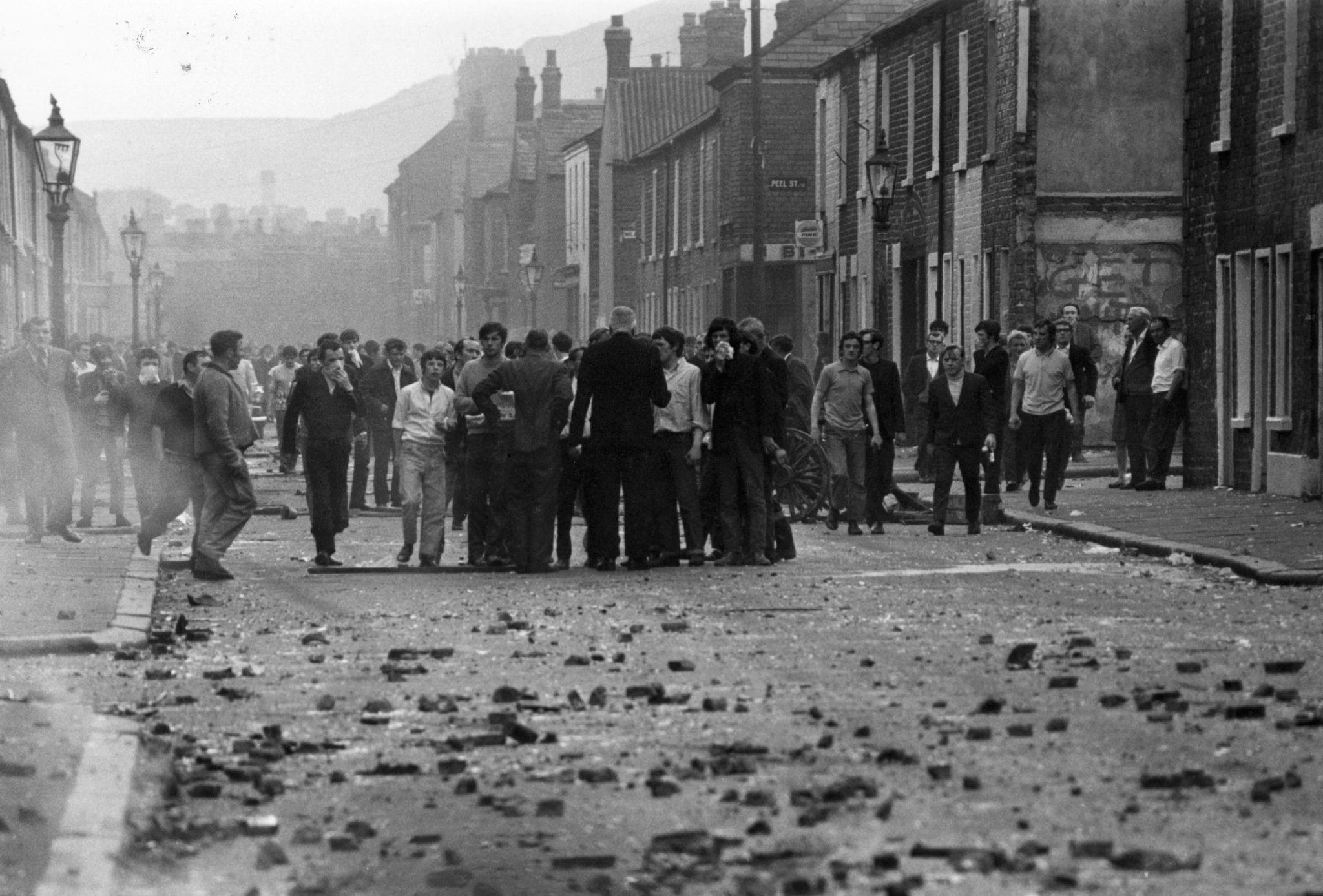
There was a time, not that long ago, when stepping outside your front door carried a different weight. You didn’t just go out into the street, you stepped into an atmosphere that felt uneasy, unpredictable, and at times overwhelming. Even as a child, you sensed it. Not always as fear, but as a constant awareness that things were not right.
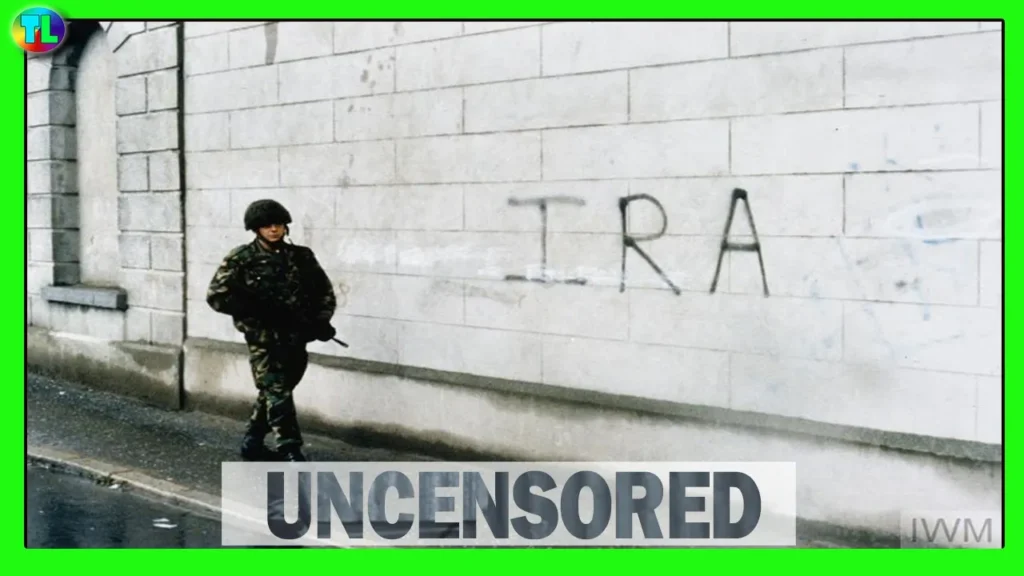
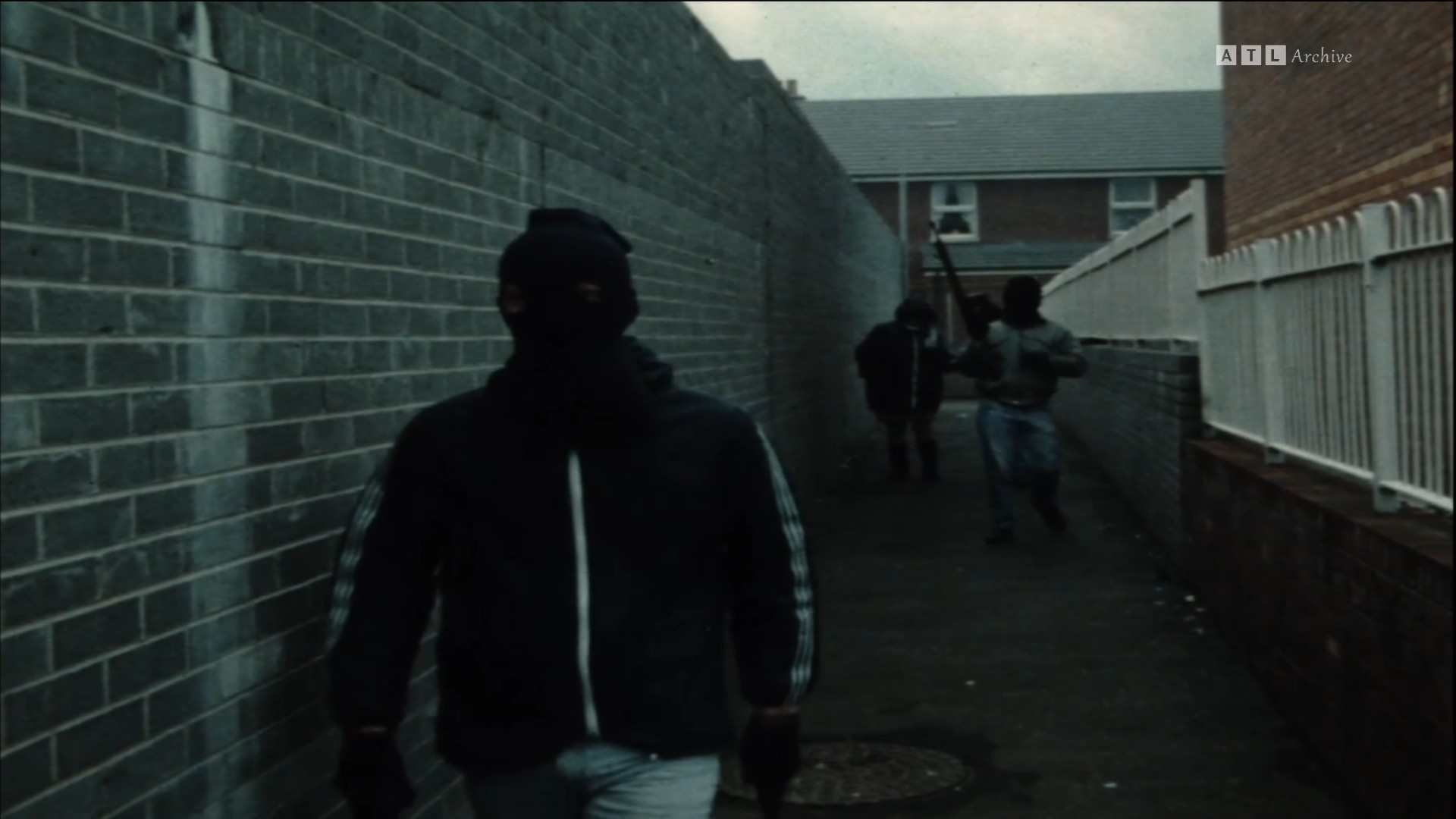
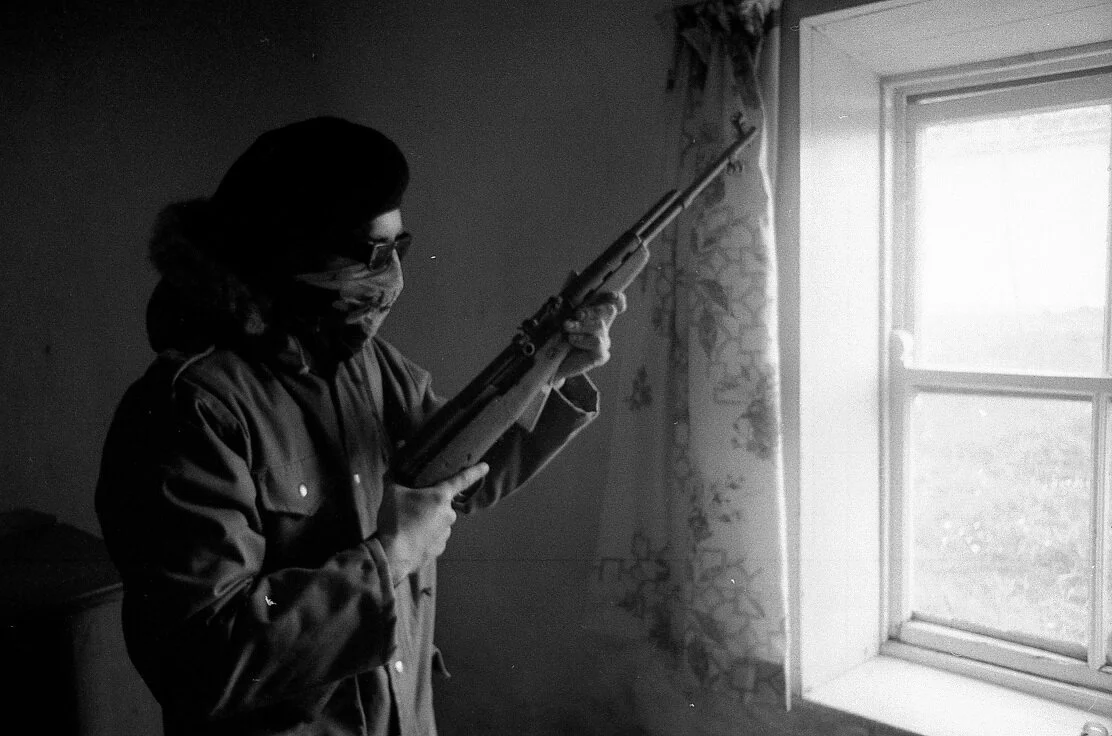
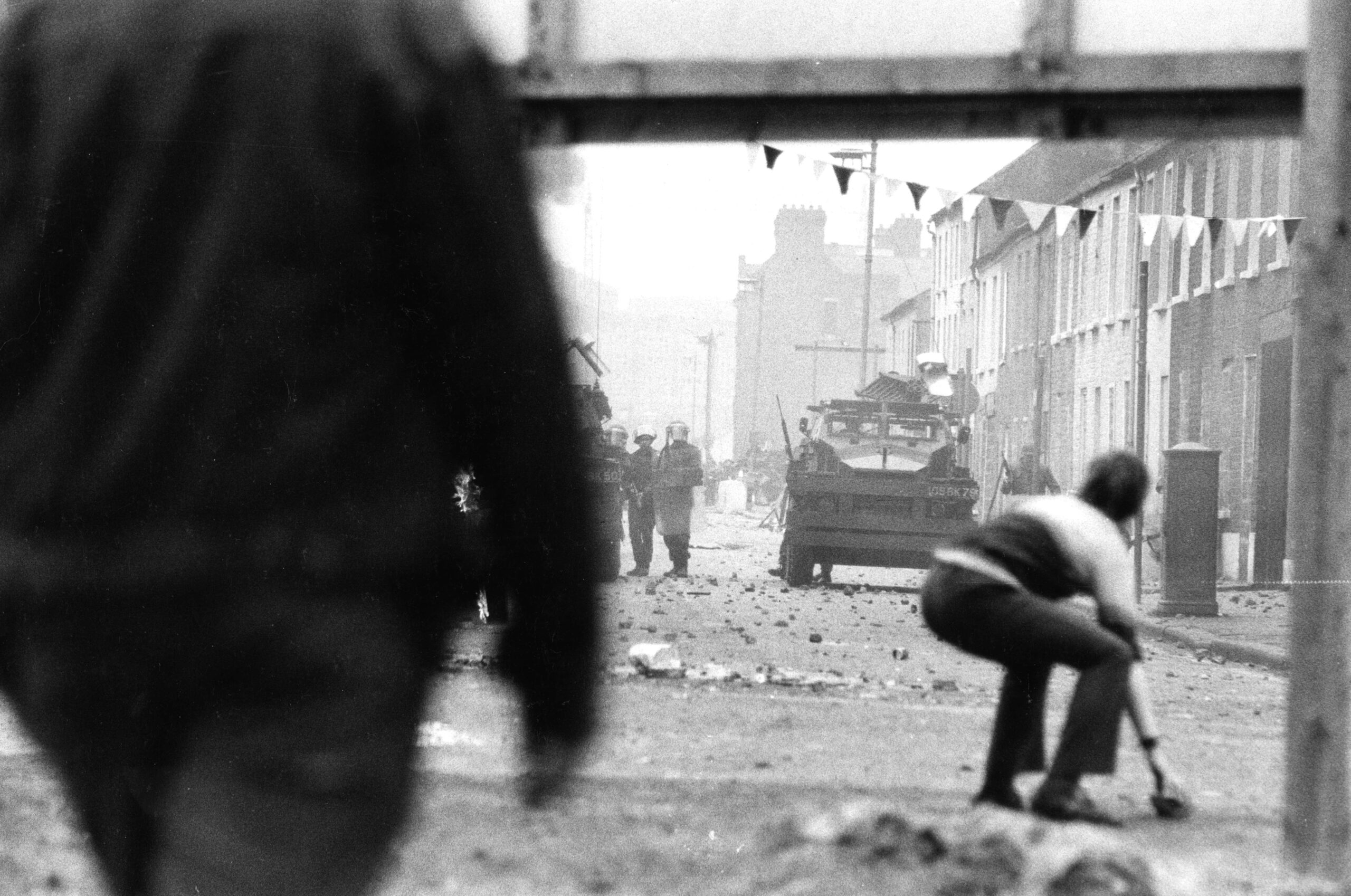
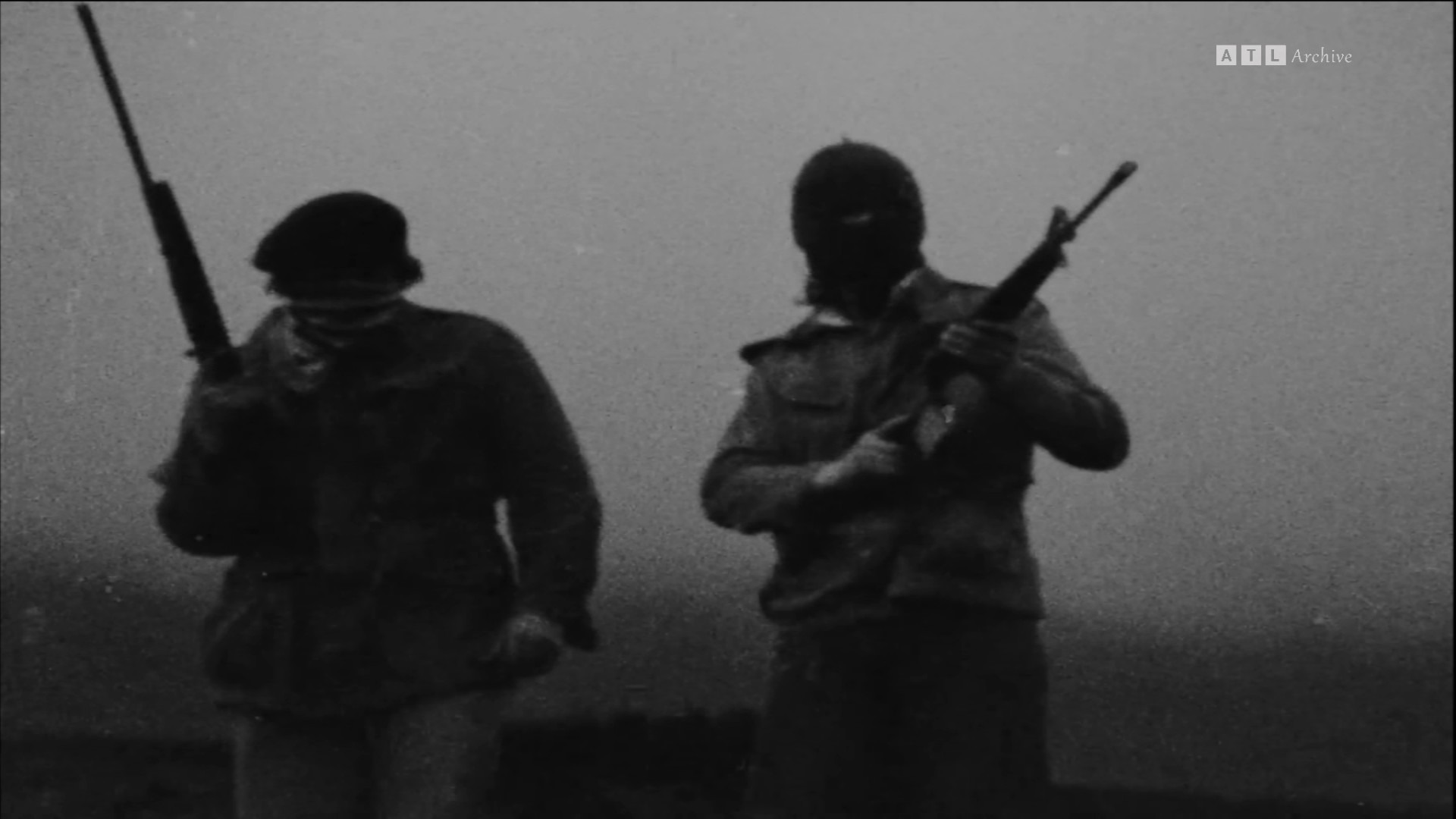
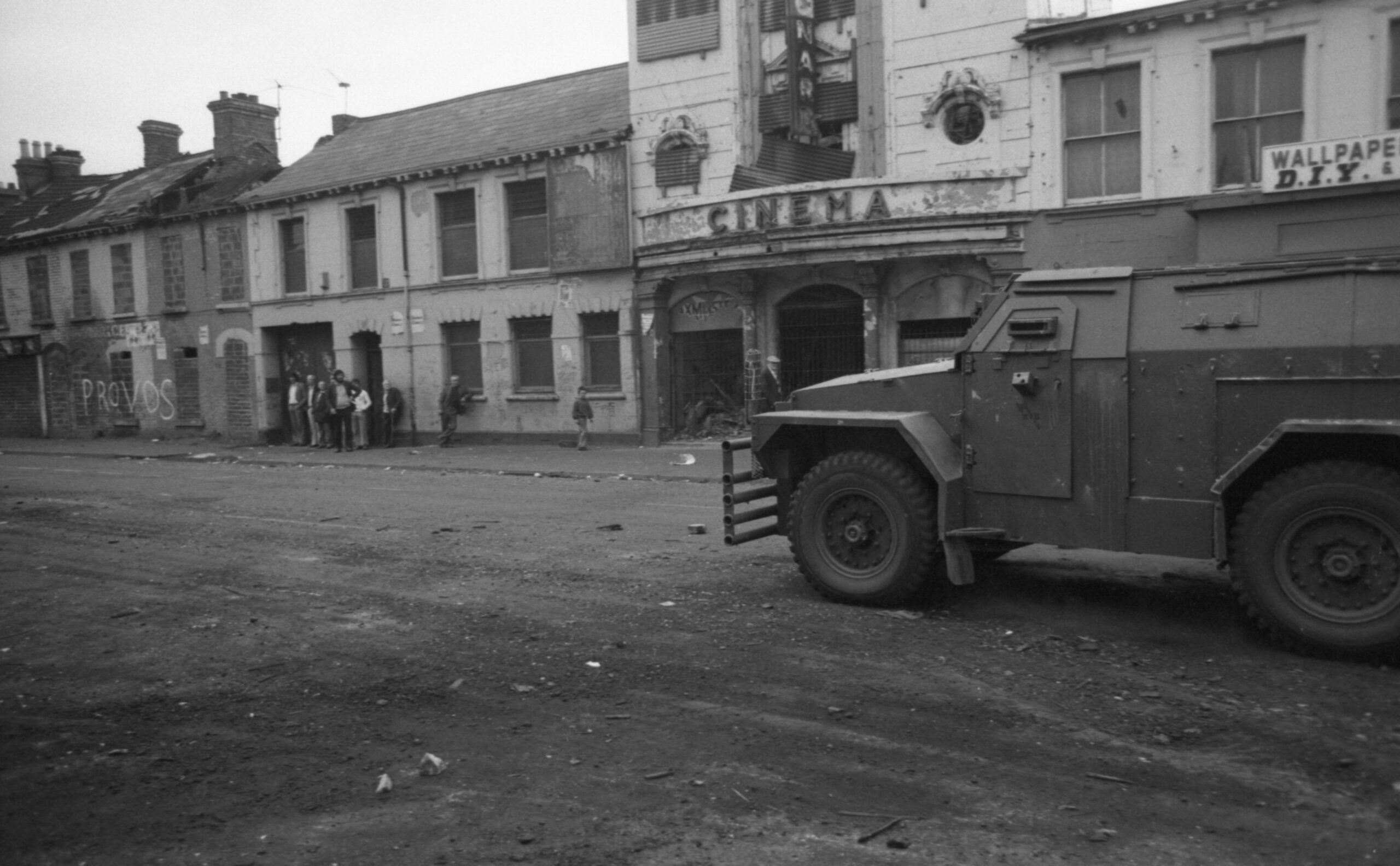
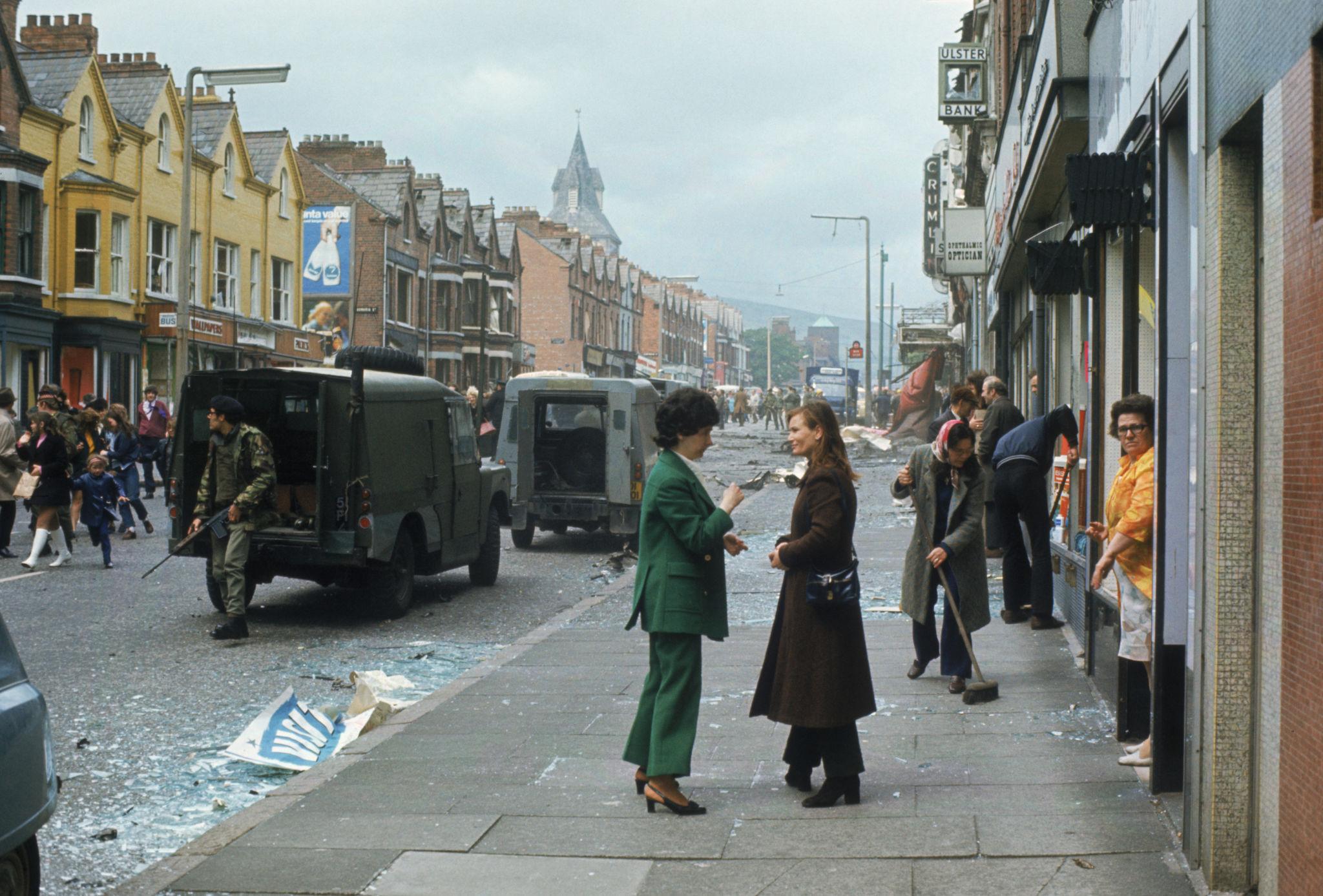
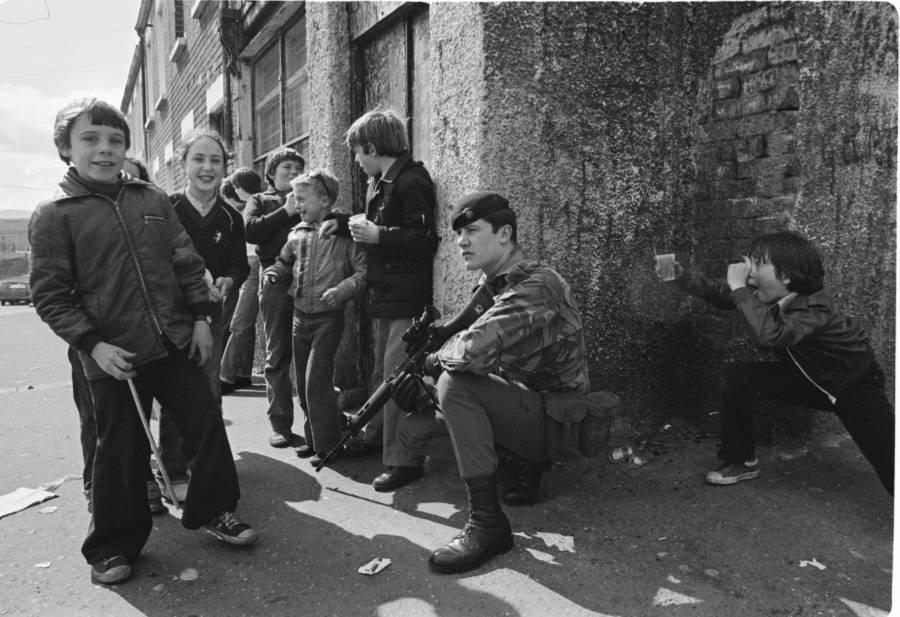
British soldiers were part of everyday life. They stood on corners, moved through estates, and watched from behind armoured vehicles that rolled slowly through residential streets. Checkpoints appeared without warning. Cars were stopped and searched. Weapons were visible, carried openly, not hidden away. For those growing up in it, this was not an event. It was routine.
You noticed it every time you stepped outside. You learned to read it. You adapted to it.
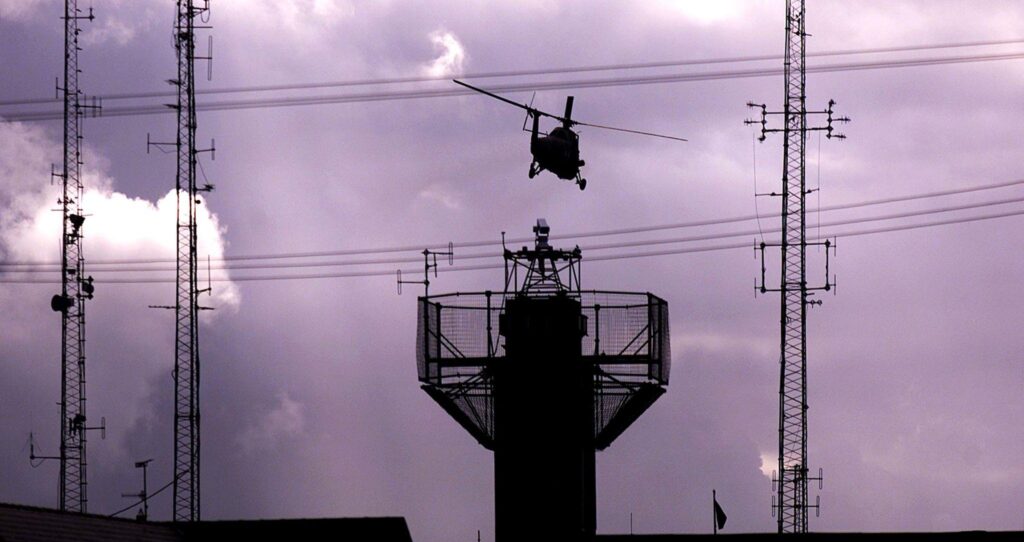
The helicopters never stopped. That is one of the hardest things to explain to anyone who did not live through it. They were not occasional interruptions. They were constant. You heard them long before you saw them, the sound building in the distance, then passing low overhead, sometimes circling, sometimes returning again minutes later.
They became part of daily life. Conversations would pause as they passed, not out of panic, but out of habit. People listened, instinctively trying to judge what it meant. Even children understood the difference between something routine and something more serious.
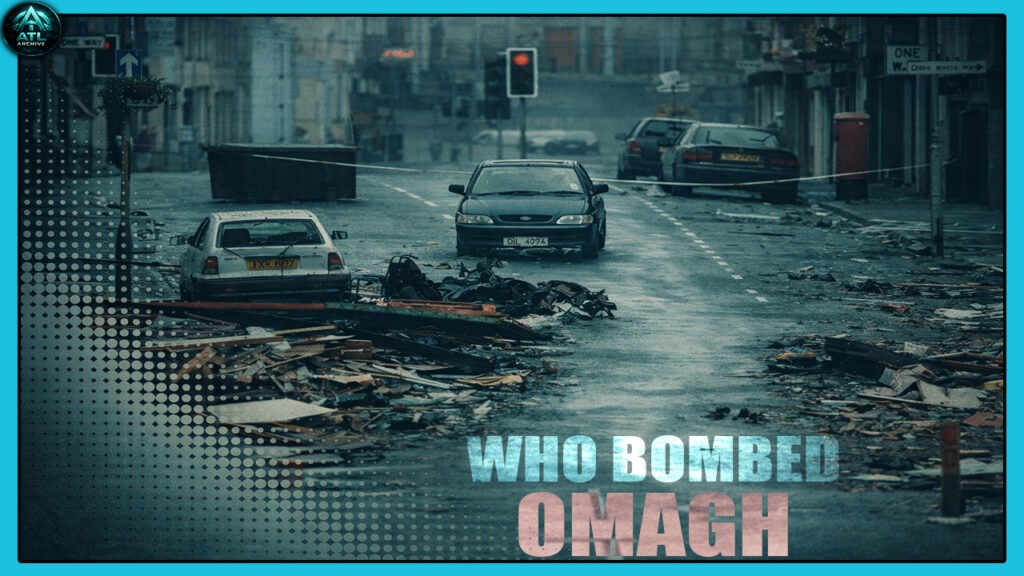
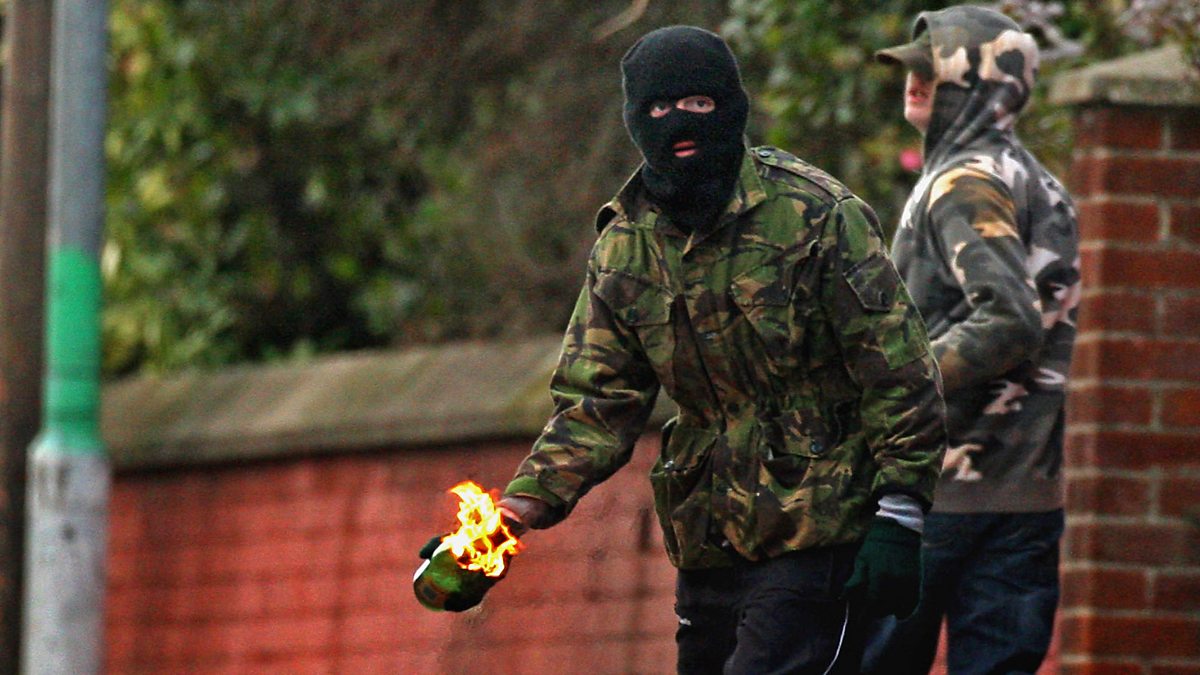
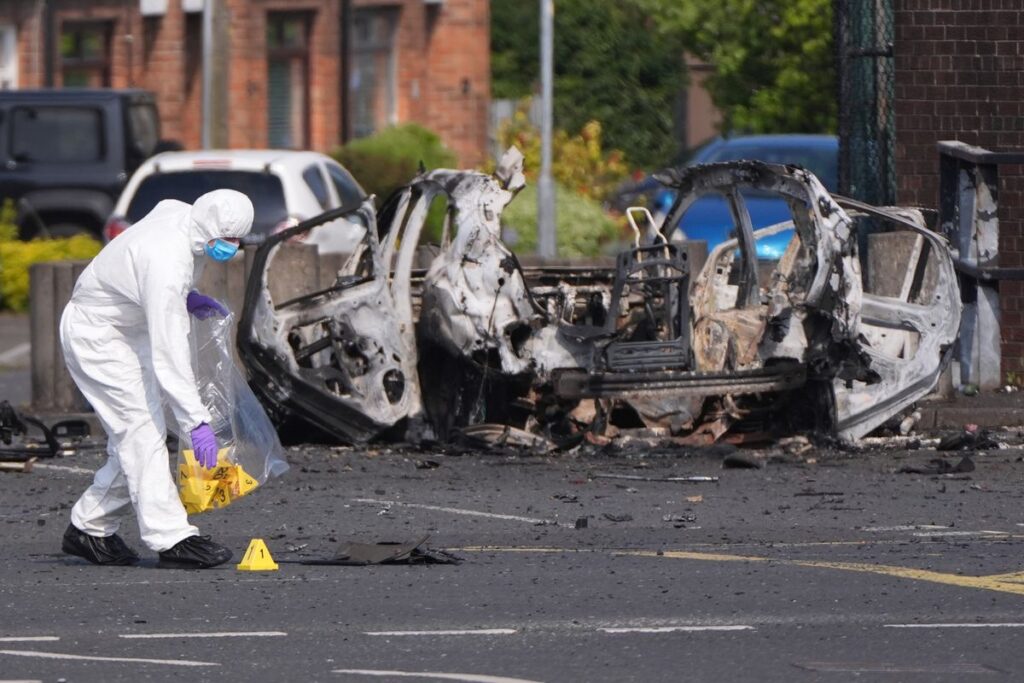
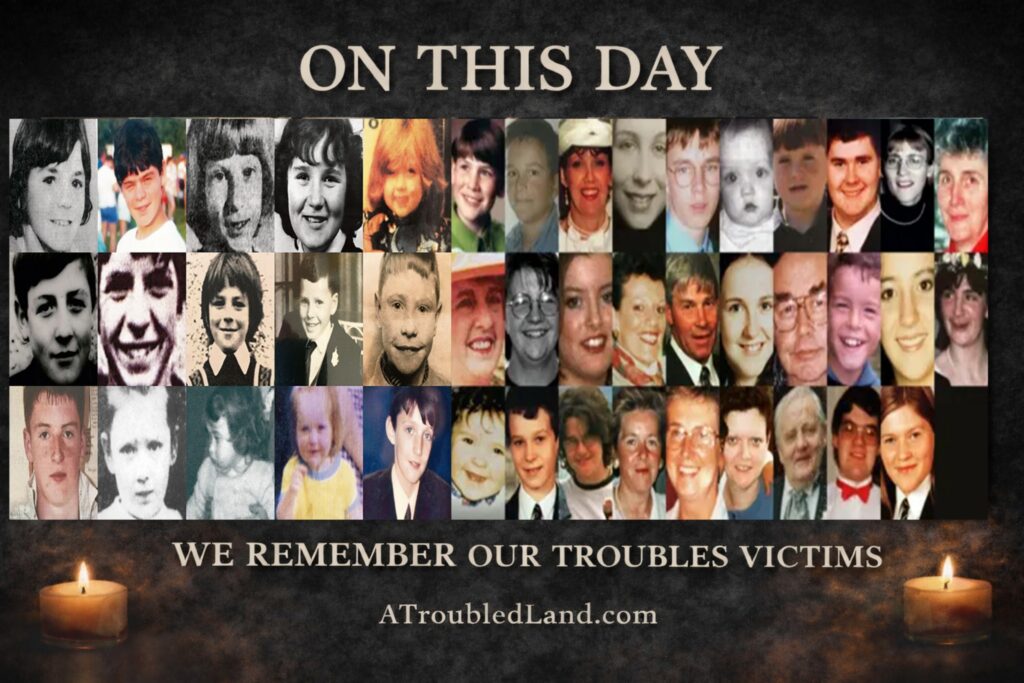
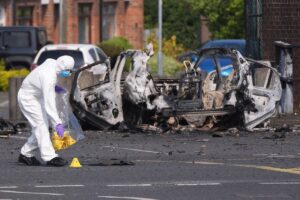
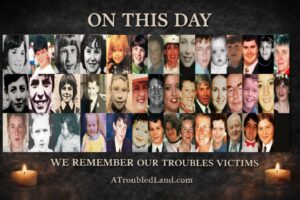
And then there was the news. Every day seemed to bring something new. Another shooting. Another explosion. Another name added to the growing list. It was not rare, and that is what is most difficult to explain now. It was not shocking in the way people might expect. It became expected.
You could turn on the television and anticipate what you were about to hear. It created a sense that this was ongoing, that it was never truly going to end. Life continued, but always with that layer sitting just beneath the surface.
Despite all of this, childhood still existed within it. Children played in the streets, rode bikes, went to school, and lived their lives. On the surface, it could look ordinary. But it was not untouched. Even at a young age, there was an awareness that stayed with you.
You knew when something had happened. You recognised changes in tone, in behaviour, in atmosphere. You knew when adults were tense, when conversations dropped, when certain places were to be avoided. It was not always spoken about directly, but it was understood.
That awareness becomes part of you when it is all you know.
Now, that world is gone. The streets are quieter. The soldiers are no longer present. The helicopters have disappeared. The constant expectation that something might happen at any moment has been replaced by something that once felt unreachable – normal life.
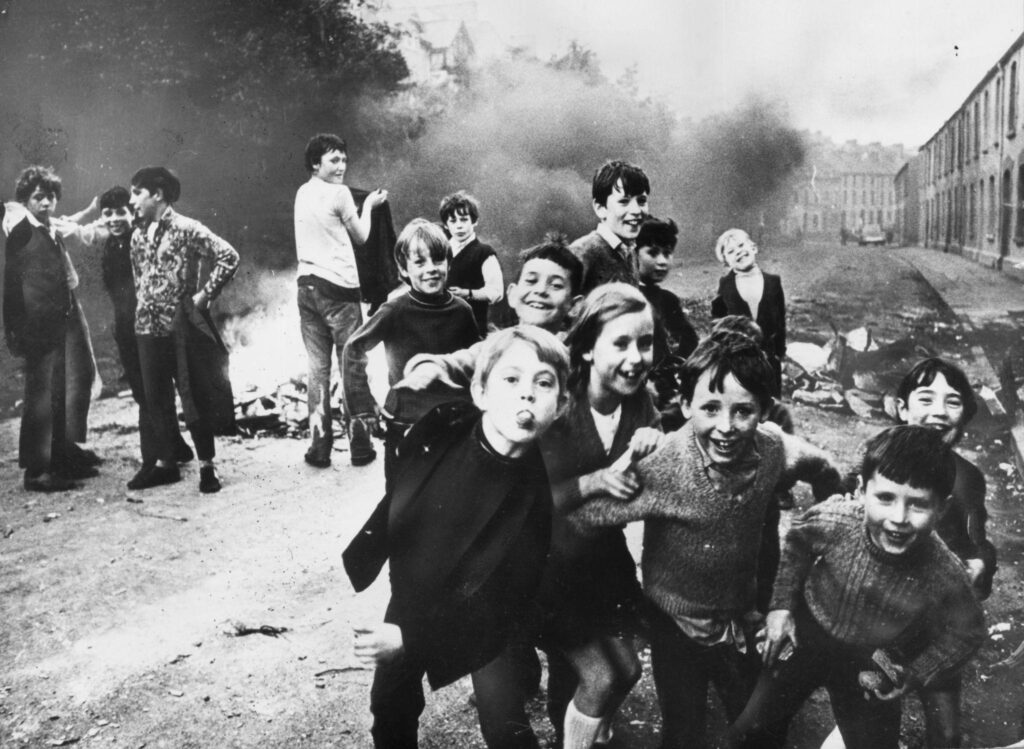
Children now grow up without that background tension. They move through their lives freely, without thinking about it, without needing to understand it. That is what peace looks like. That is what it was meant to bring.
But with that peace comes distance. When you try to explain it now, it sounds like history. It feels like history. The reaction you receive is the same one people once had listening to stories about the Second World War. They listen, they acknowledge it, but they do not feel it in any real way.
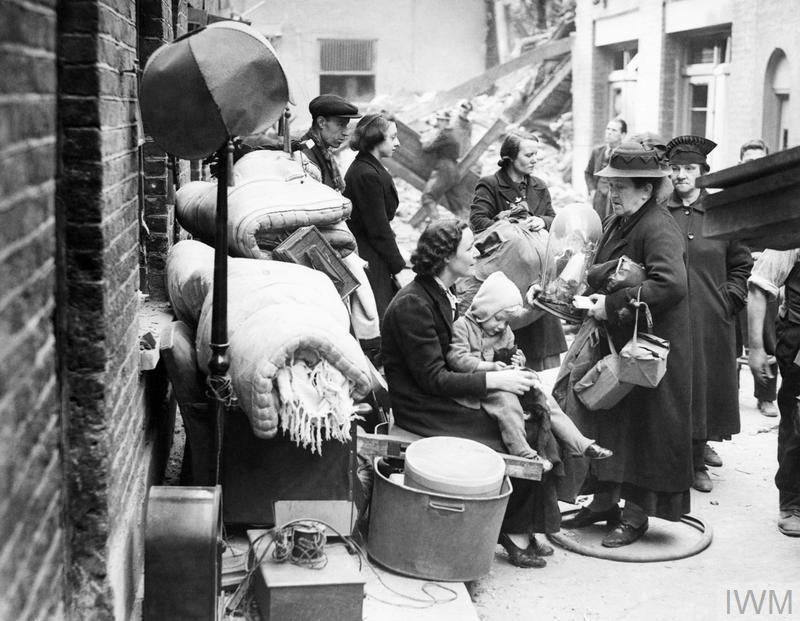
You can see it in their expressions. The same look that once met older generations now meets you. A quiet disbelief. A sense that it cannot have been quite as intense as it sounds.
That is when you realise how quickly the roles have changed.
That is how memory begins to fade. And when it fades, it does not leave a blank space behind. It is replaced by interpretation, by narrative, by selective versions of events. Without access to real footage, real voices, and real moments, history becomes something shaped rather than something experienced.
This is where the ATL Archive matters. Not simply as a collection of material, but as a record of reality. It allows people to see events as they unfolded, to hear voices as they spoke at the time, and to understand that there was never just one version of events.
Take any one story. Without preserved footage, future generations will rely on written accounts and summaries. Important, but limited. Framed by perspective, shaped by time. But when multiple sources exist, when different pieces of footage show different angles and voices, something more complete begins to form.
People are able to see for themselves. To question, to compare, to understand complexity in a way that text alone cannot provide.
Time moves quickly. One generation lives through something. The next hears about it. The one after that struggles to believe it ever happened at all. It does not disappear suddenly. It fades, gradually, as memory gives way to distance.
One day, there will be no one left who remembers it first hand. No one left to explain what it felt like to walk outside and know that something was not right.
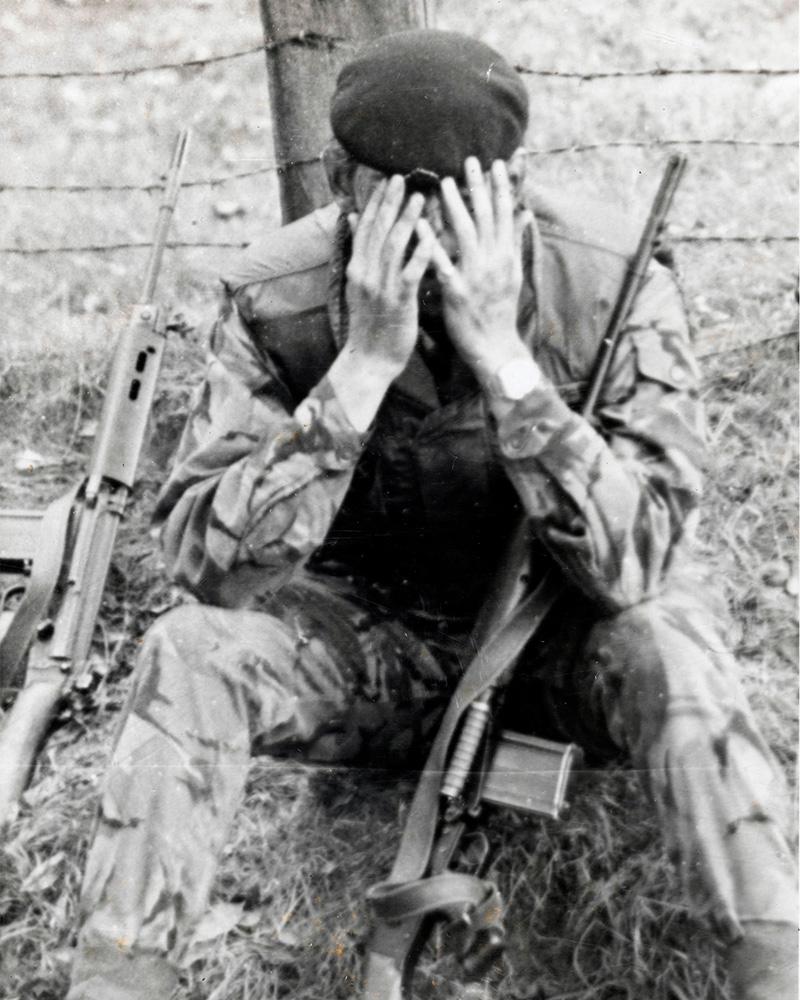
When that day comes, what remains will depend entirely on what was preserved.
That is why this matters. That is why the archive matters.
Because one day, this will not feel real to anyone at all.
Have a story you want to write yourself? Join Commentators Corner and write the news you want known - troubles/legacy or whatever is important to you.
Join Commentators CornerMore Stories - Click To View
The Largest Archive Of Troubles Media Ever Built
Explore thousands of documentaries, rare footage and banned material from the Troubles - preserved, organised and accessible in one place. Over 70,000 already follow ATL. Now go deeper.
Open The ATL Archive