



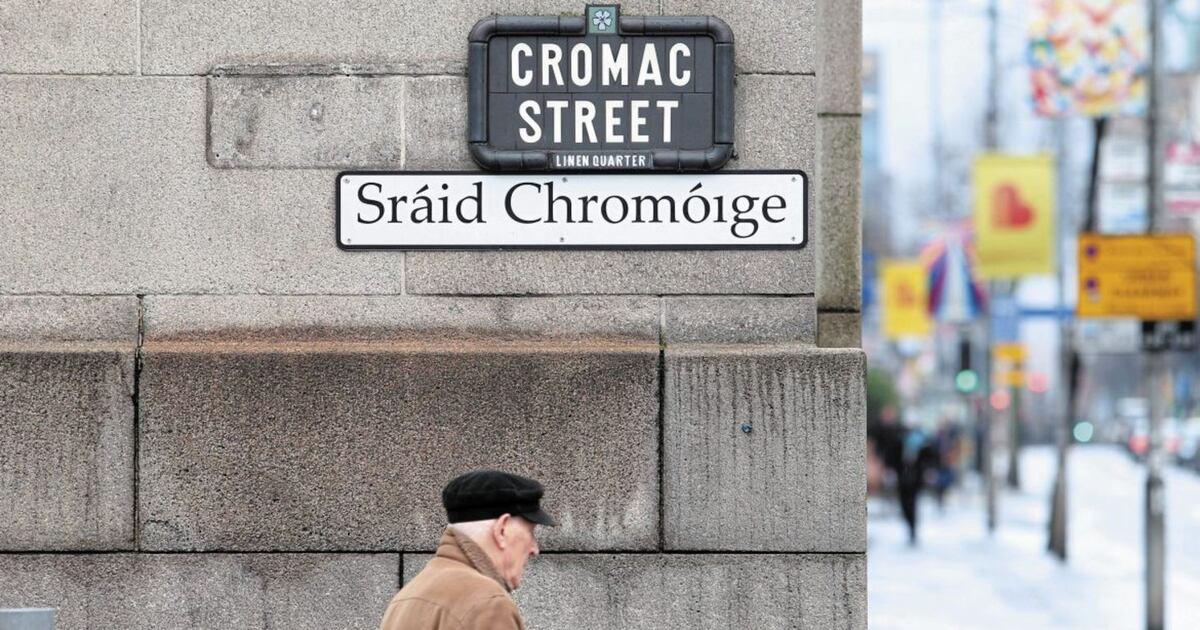
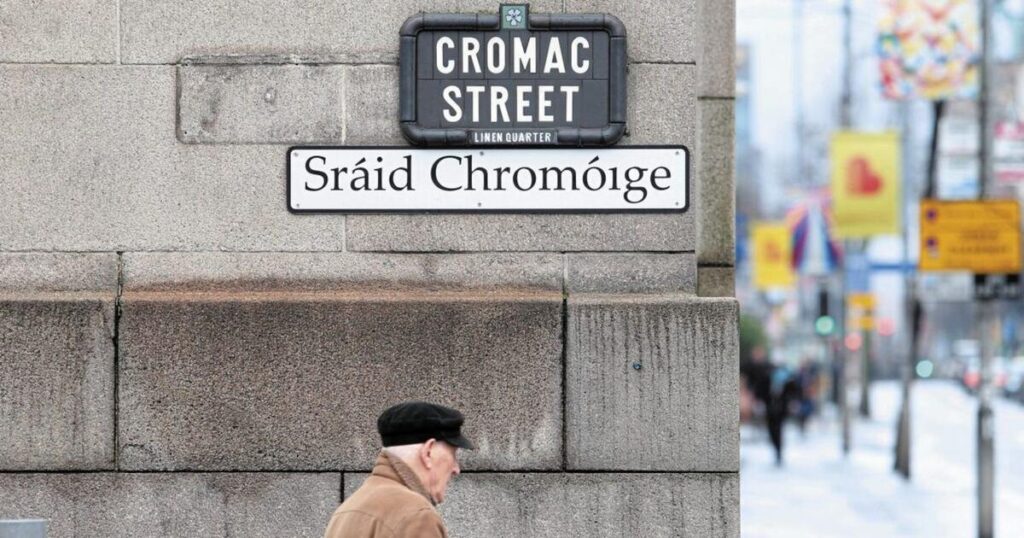
Ulster Scots Street Signs Proposed For Belfast Roads That Rejected Irish Language
Plans are emerging to introduce Ulster Scots street signs on Belfast roads that previously rejected Irish language signage, in a move that is already stirring fresh division.
The proposals centre on a number of streets where residents had voted against Irish language signs, only for new applications to now be submitted seeking Ulster Scots alternatives instead. The development is being viewed by some as a direct response to earlier decisions, shifting the debate rather than resolving it.
Under current Belfast City Council policy, residents can apply for dual-language street signs, with approval thresholds lowered in recent years to make the process easier. That change led to a surge in Irish language applications across the city, but also opened the door for other languages, including Ulster Scots, to be proposed.
Ulster Scots, which has official minority language status in Northern Ireland/The North, is recognised alongside Irish under existing legislation, with both languages protected and promoted under the same framework.
The latest applications are now bringing those two languages into direct competition on the same streets. In areas where Irish signage failed to gain enough support, Ulster Scots bids are now being put forward instead, raising questions about motivation and intent.
For some, the move is seen as a legitimate expression of cultural identity. For others, it is being viewed as a political counter, reflecting deeper tensions around language, identity and territory that continue to shape Belfast.
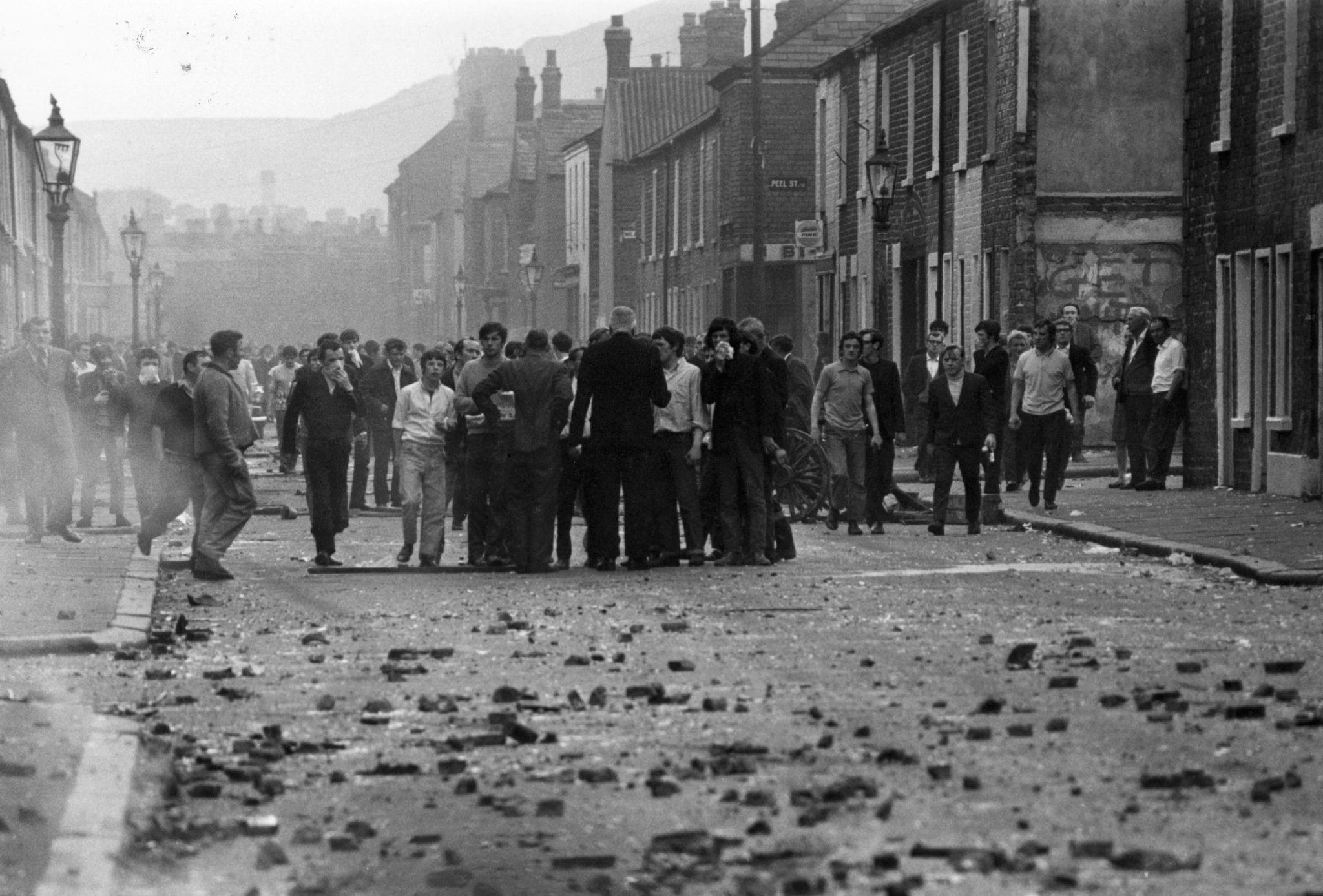
Language signage has become one of the most visible markers of those divisions. What might appear to be a simple change to a street sign can quickly take on wider meaning, tied to history, community identity, and long-standing political differences.
In parts of the city, Irish language signs have been welcomed as recognition of culture and heritage. In others, they have faced opposition, vandalism, and claims they represent a form of cultural push.
The introduction of Ulster Scots signage into that same space risks escalating those tensions further, particularly where decisions appear to follow earlier rejections of Irish language proposals.
As applications continue to move through the council process, the issue once again highlights how language in Northern Ireland/The North is rarely just about words. It remains deeply tied to identity, politics, and how communities see themselves – and each other.

Have a story you want to write yourself? Join Commentators Corner and write the news you want known - troubles/legacy or whatever is important to you.
Join Commentators CornerMore Stories - Click To View
The Largest Archive Of Troubles Media Ever Built
Explore thousands of documentaries, rare footage and banned material from the Troubles - preserved, organised and accessible in one place. Over 70,000 already follow ATL. Now go deeper.
Open The ATL Archive