





ATL Editorial Correction –
Following publication, ATL sought clarification directly from BT regarding the availability of the 1471 “last caller” service in 1994.
BT have confirmed that, based on the information available to them, the 1471 service would not have been available in Northern Ireland in July 1994.
This directly contradicts the claim that the feature was used in the identification of Caroline as an informer. As a result, the central detail presented in earlier reporting – that 1471 was used in this case – cannot be relied upon.
The original reporting was based on information carried by established outlets at the time. However, this new clarification from BT significantly alters that position.
ATL is updating the record accordingly.
ORIGINAL STORY
IRA Used Phone Trick To Identify Belfast Mum-Of-Three Before Murder Linked To Stakeknife
A Belfast mother-of-three was identified and marked for death using a simple phone callback trick, with new details now shedding light on how she was targeted before being abducted and murdered.
Caroline Moreland was taken from her home in 1994 and killed after being accused of passing information to the RUC. Information emerging around the case outlines how the 1471 callback feature – a basic telephone function used in homes across Northern Ireland/The North – was used to trace and confirm contact linked to her.
That step, it is alleged, helped solidify suspicions that she was an informant.
Once that suspicion was locked in, events moved quickly.
She was taken and murdered.
These details are now being examined as part of ongoing legal proceedings connected to her killing, where evidence has been presented about how suspected informants were identified and dealt with during the conflict.
Caroline Moreland’s murder has long been linked to the PIRA’s internal security unit – the same unit widely associated with the figure known as Stakeknife, believed to have been a British agent operating at the heart of the organisation.
That connection raises serious questions.
It brings into focus how individuals were investigated, who made the decisions, and what role that internal unit played in determining life or death outcomes. It also raises the wider issue of how a system like that operated while potentially being influenced or penetrated at the highest level.
For the family, the case continues to reopen painful wounds. Decades on, the full truth remains contested, with new details adding to an already complex and deeply troubling picture.
Because this is where the limits of standard reporting become clear.
On the surface, cases like this are reduced to a name, a date, and a short explanation. But that only scratches the surface of what was happening behind the scenes.
This is why the archive matters.
Without it, you are left with fragments – brief reports, partial updates, and headlines that never fully explain what happened.
Inside the archive, the full investigations exist.
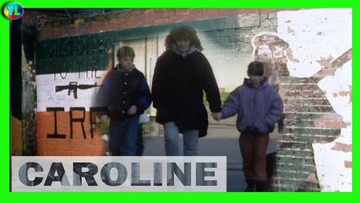
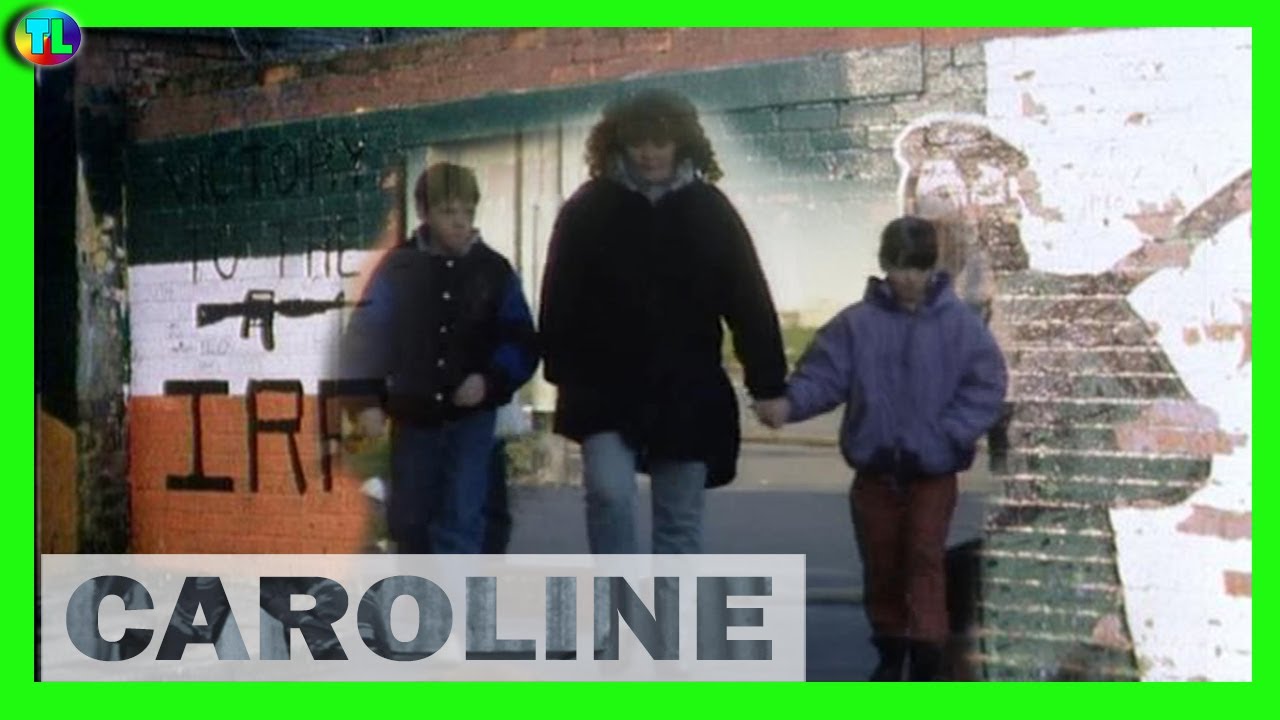
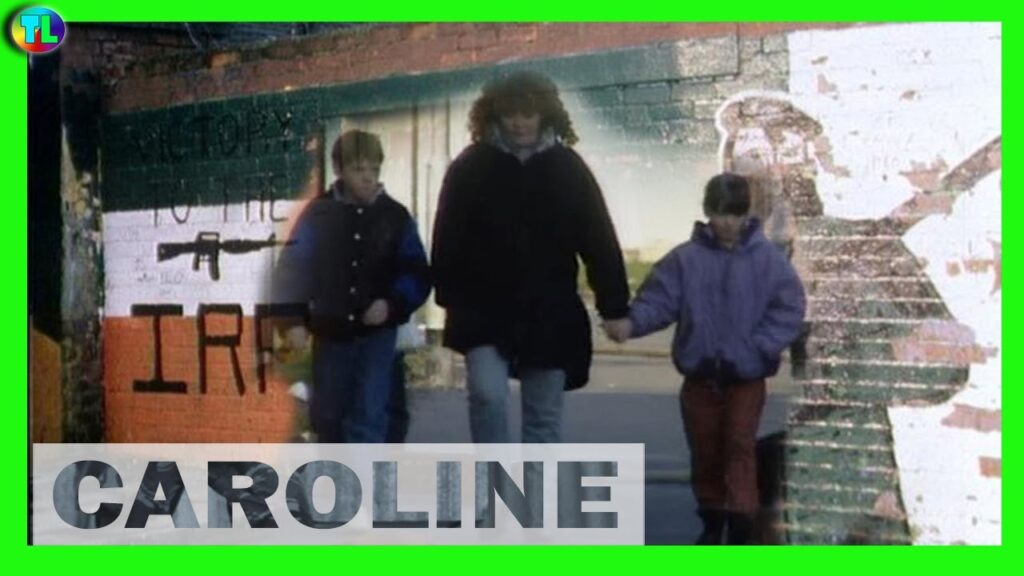
A BBC Spotlight investigation into Caroline Moreland’s murder and the wider role of Stakeknife brings together the evidence, the voices, and the context that go far beyond short-form reporting. It shows how individual cases fit into a much larger system operating during the conflict.
Watch it. Because without that full picture, what happened to Caroline Moreland risks being reduced to a single line – when in reality, it was part of something far bigger.

Have a story you want to write yourself? Join Commentators Corner and write the news you want known - troubles/legacy or whatever is important to you.
Join Commentators CornerMore Stories - Click To View

The Largest Archive Of Troubles Media Ever Built
Explore thousands of documentaries, rare footage and banned material from the Troubles - preserved, organised and accessible in one place. Over 70,000 already follow ATL. Now go deeper.
Open The ATL Archive