







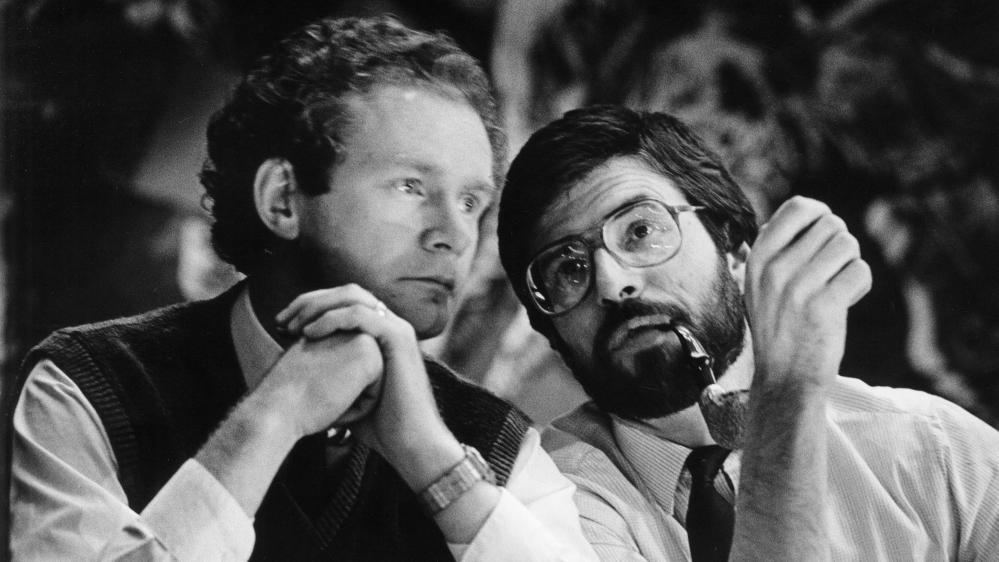
Declassified Files Put Gerry Adams At Centre Of Claims Including Workers Party Sectarian Allegations
Newly declassified documents have placed Gerry Adams at the centre of a series of claims, including allegations involving the Workers Party and sectarian tensions during the conflict.
The files, released as part of historical state records, outline intelligence assessments and internal discussions that reference Adams in connection with wider political and paramilitary dynamics at the time. While not all claims are proven, they provide a rare look into how key figures were viewed within official circles.
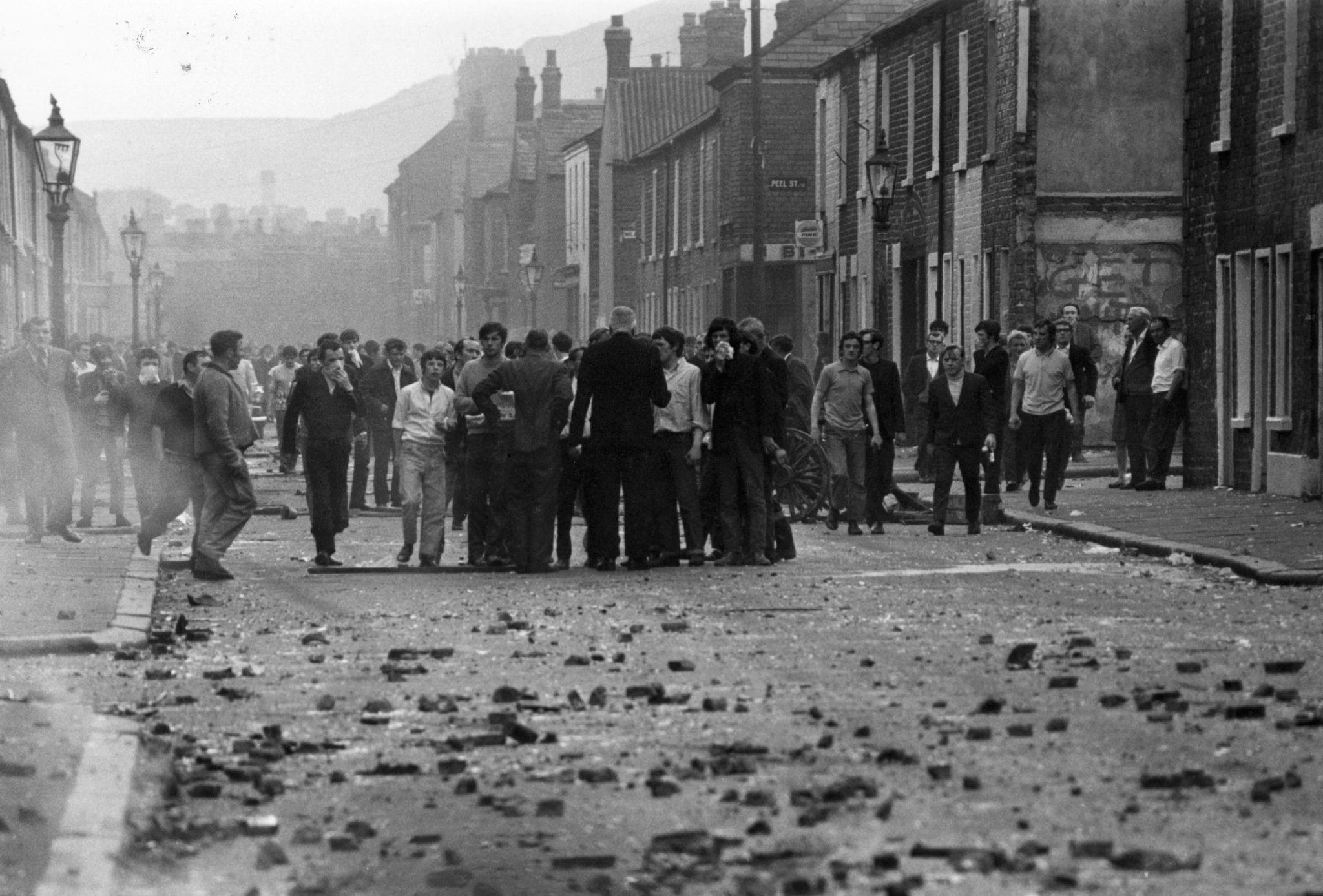
Among the material are references to allegations linked to the Workers Party, including claims around sectarian positioning and political strategy. The documents suggest that rivalries and tensions between different strands of republican and left-wing politics were being closely monitored and assessed.
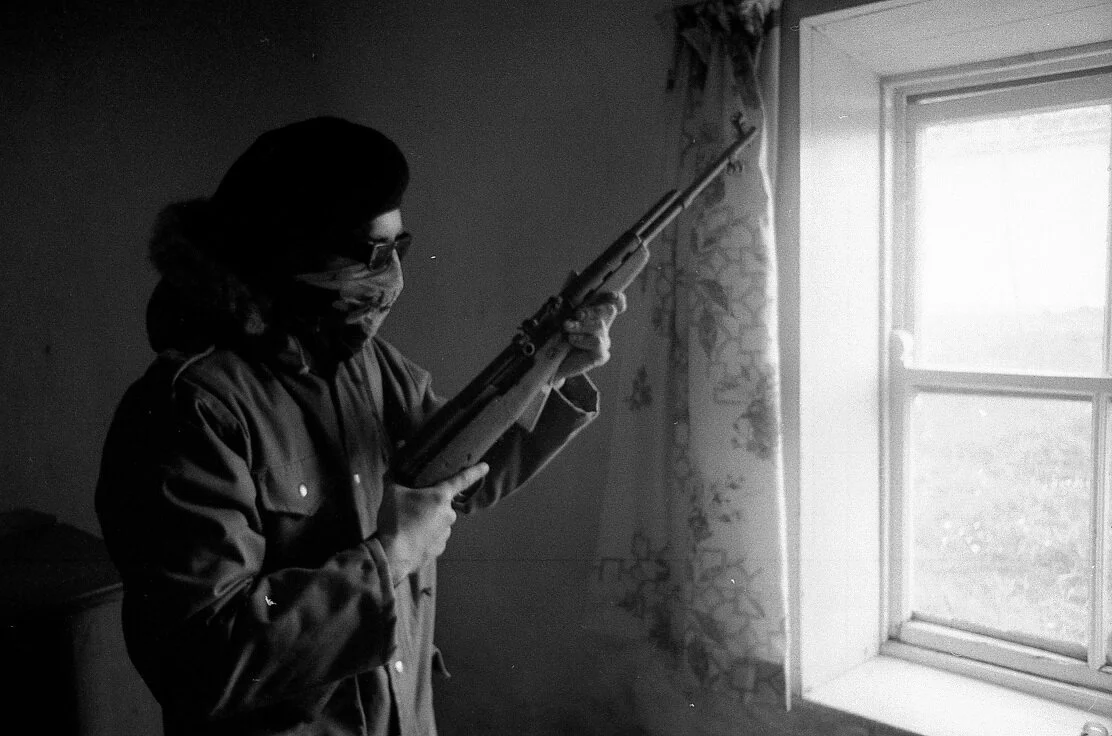
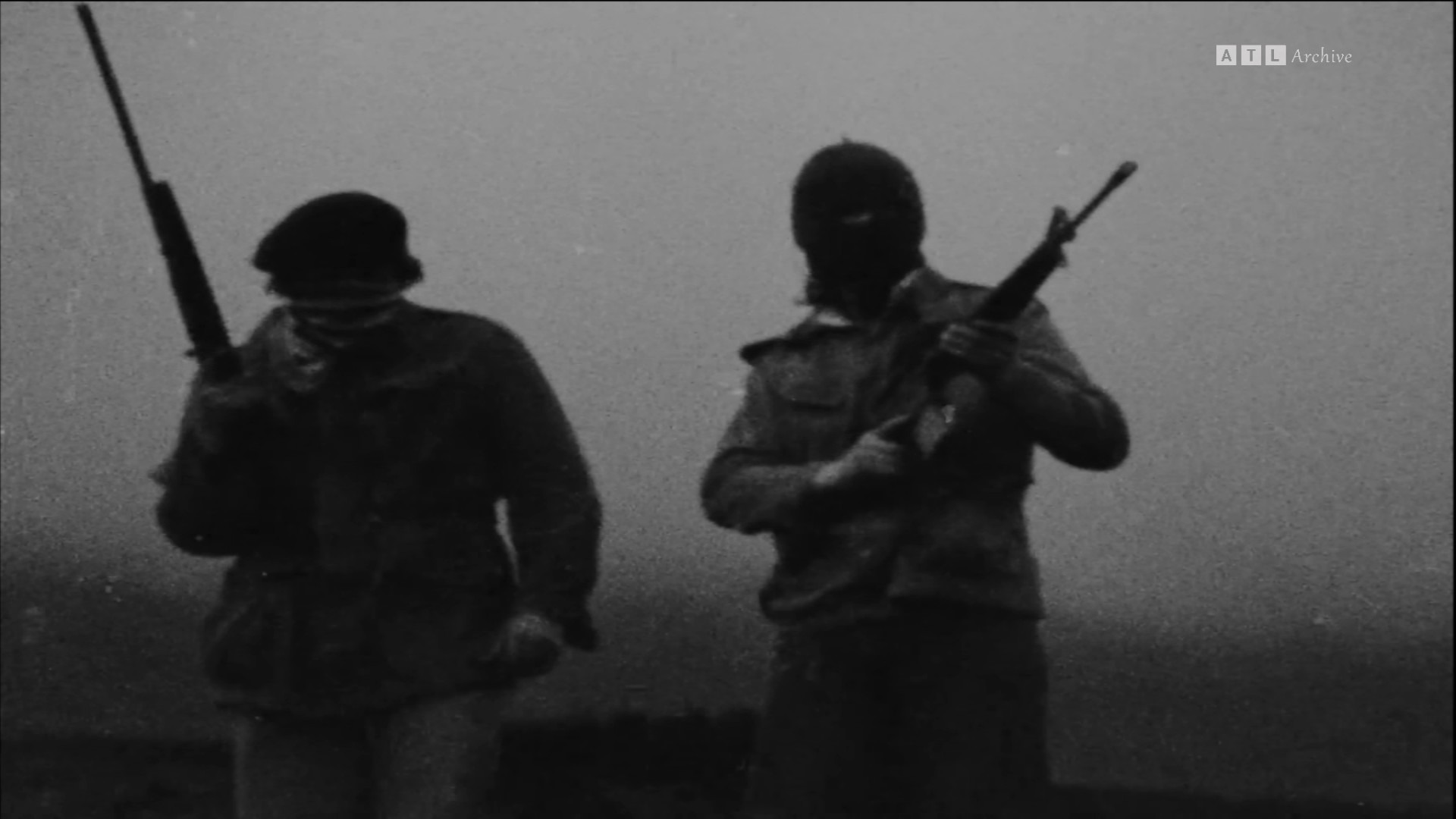
The records highlight how Adams, as a leading figure within Sinn Féin, was a central focus for intelligence gathering and political analysis. At the time, questions around leadership, influence, and links to the PIRA formed part of how he was assessed by the British state.
But the release of these files also raises a wider question.
What has not been released?
Declassification is rarely complete. Files are selected, redacted, and in many cases withheld entirely. That reality means the public is often seeing only part of the picture – fragments of intelligence without the full context that sat around them at the time.
That becomes even more significant given recent events.
Adams has appeared in court twice within the past year, defending his role during the conflict. Against that backdrop, the timing of these releases is already prompting debate about why certain material is now entering the public domain while other files remain closed.
It leaves open a question that many will ask.
Is this simply the release of historical records – or part of a continued effort to shape the narrative around one of the most prominent figures of the conflict?
There is no clear answer in the documents themselves. What they show are claims, suspicions, and internal assessments recorded at a time when intelligence gathering and political strategy were deeply intertwined.
For those examining the history of Northern Ireland/The North, files like these can be valuable. But they are never the full story.
They are pieces of a much larger puzzle, one where context, omission, and timing matter just as much as what is written on the page.

Have a story you want to write yourself? Join Commentators Corner and write the news you want known - troubles/legacy or whatever is important to you.
Join Commentators CornerMore Stories - Click To View



The Largest Archive Of Troubles Media Ever Built
Explore thousands of documentaries, rare footage and banned material from the Troubles - preserved, organised and accessible in one place. Over 70,000 already follow ATL. Now go deeper.
Open The ATL Archive