




RUC Misinformation During Troubles Inspired Novel, Says Cadwallader
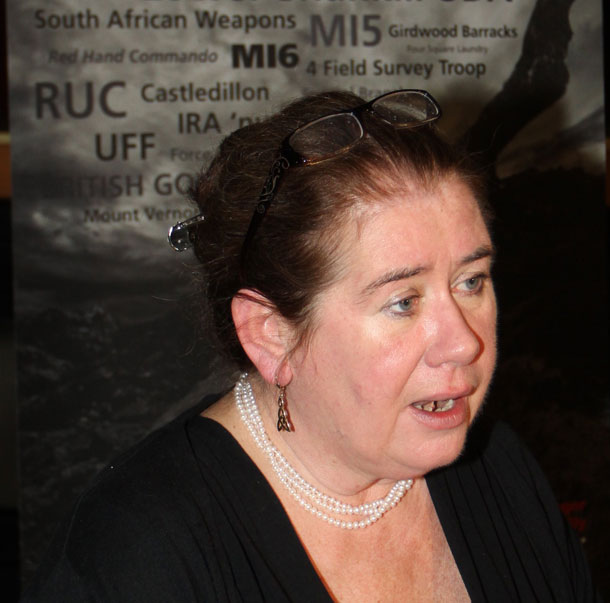
Investigative journalist and author Anne Cadwallader has said false information provided by the RUC during the Troubles directly influenced her understanding of events and later shaped her debut novel.
Speaking about her book Crossing Over, she said she had come to realise that elements of her understanding were based on inaccurate information, admitting she had “written and promulgated a lie”.
Cadwallader, a former BBC journalist who covered the conflict for decades, said the experience reflects how narratives formed during the Troubles were not always reliable, and could be shaped by incomplete or misleading information.
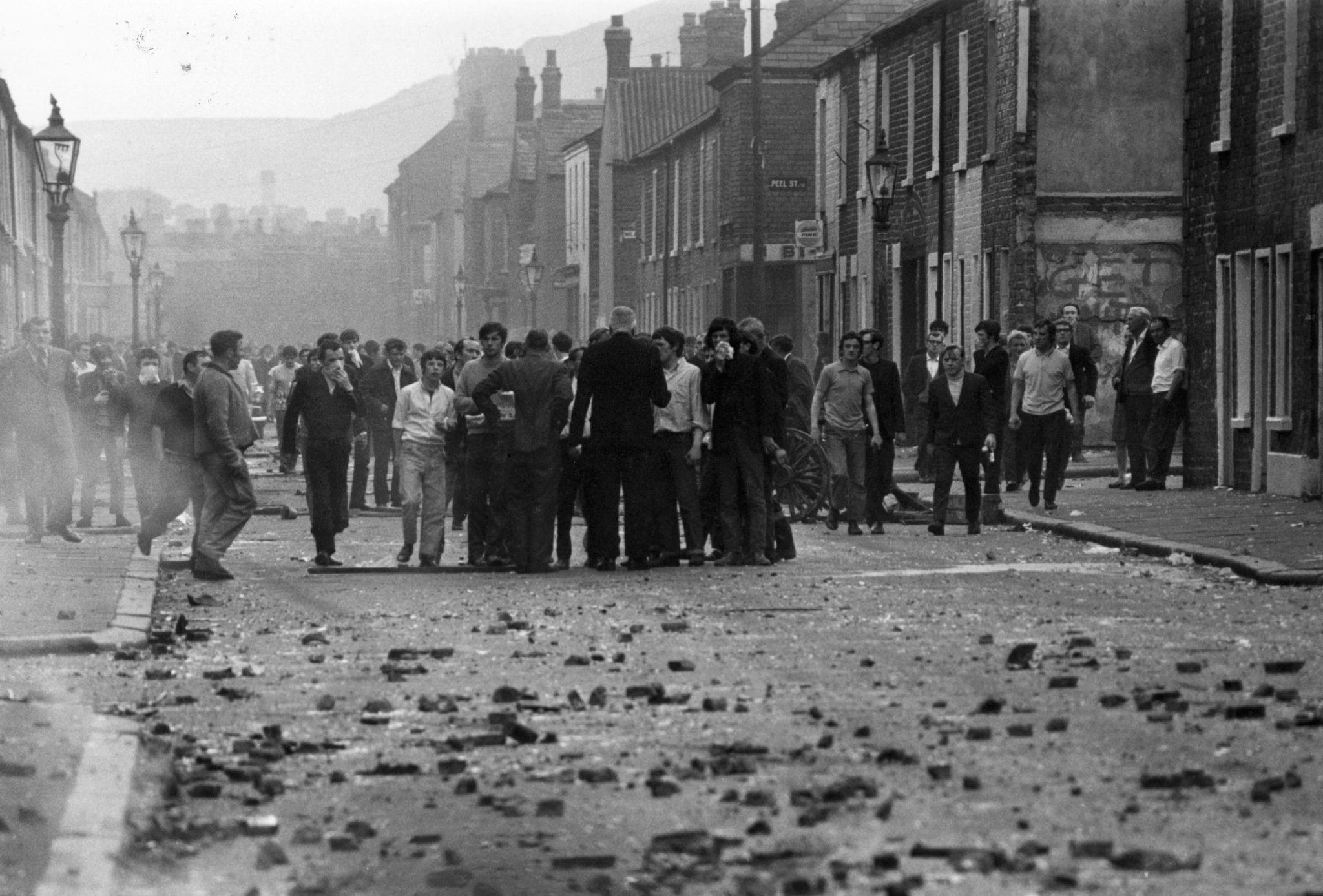
Her debut novel Crossing Over is set in Belfast in 1987 and follows a London lawyer drawn into the realities of the conflict, including paramilitary cases, disputed killings, and the workings of the justice system at the time.
The story centres on legal challenges involving loyalist and IRA figures, alongside allegations of wrongdoing linked to policing and state structures, as the main character begins to question the assumption of impartial justice.
Cadwallader’s background is significant in this context. She previously authored Lethal Allies: British Collusion in Ireland and Holy Cross: The Untold Story, both focused on controversial aspects of the conflict and the role of state forces.
Her latest comments suggest that even experienced journalists working during the period could be influenced by information that was later challenged or disputed.
In Northern Ireland/The North, questions around policing, intelligence, and the accuracy of official narratives during the Troubles have remained a central issue in legacy debates.
Investigations, reports, and ongoing legal processes have, in some cases, revisited historical accounts and raised questions about how information was gathered, presented, and understood at the time.
Cadwallader’s remarks highlight how those issues extend beyond formal inquiries and into wider cultural and public understanding, including literature and media.
While Crossing Over is a work of fiction, it draws heavily on real-world context and the environment of the conflict, with the author’s own experience shaping its narrative.
Her admission does not relate to any specific legal finding, but it reflects the continuing re-examination of how the Troubles are remembered, recorded, and interpreted.
The comments underline a broader issue in Northern Ireland/The North – that the legacy of the conflict is not only about events themselves, but also about the information that shaped how those events were understood at the time.
SOURCE: Irish News

Have a story you want to write yourself? Join Commentators Corner and write the news you want known - troubles/legacy or whatever is important to you.
Join Commentators CornerMore Stories - Click To View

The Largest Archive Of Troubles Media Ever Built
Explore thousands of documentaries, rare footage and banned material from the Troubles - preserved, organised and accessible in one place. Over 70,000 already follow ATL. Now go deeper.
Open The ATL Archive