





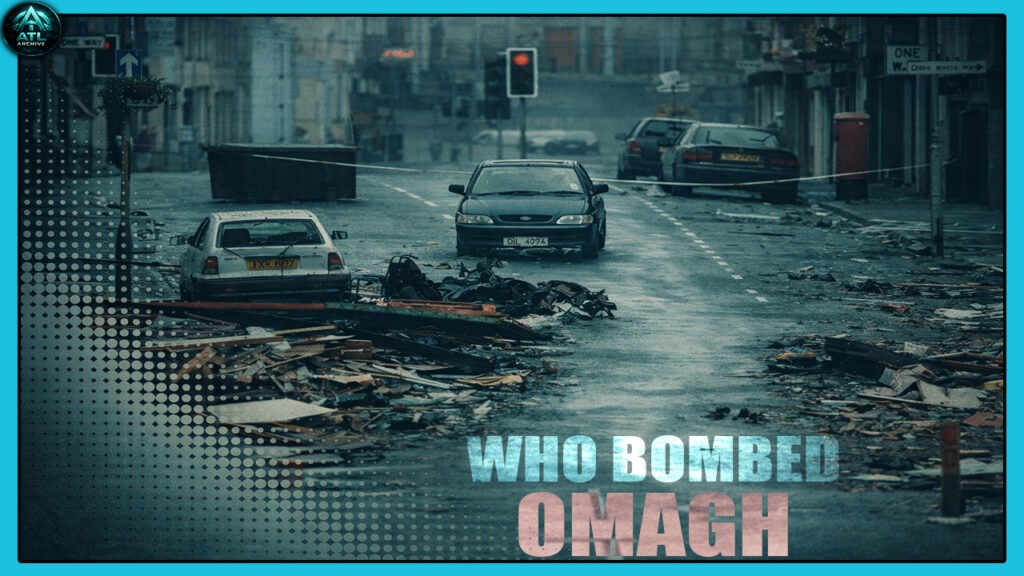
A relative of a woman killed during the conflict in Northern Ireland/The North has spoken publicly about forgiveness, saying he has chosen to forgive those responsible for the Provisional IRA (PIRA) attack that claimed her life.
The man, who lost his aunt in the bombing decades ago, said the decision to forgive was not taken lightly and followed years of reflection about the violence that defined a generation.
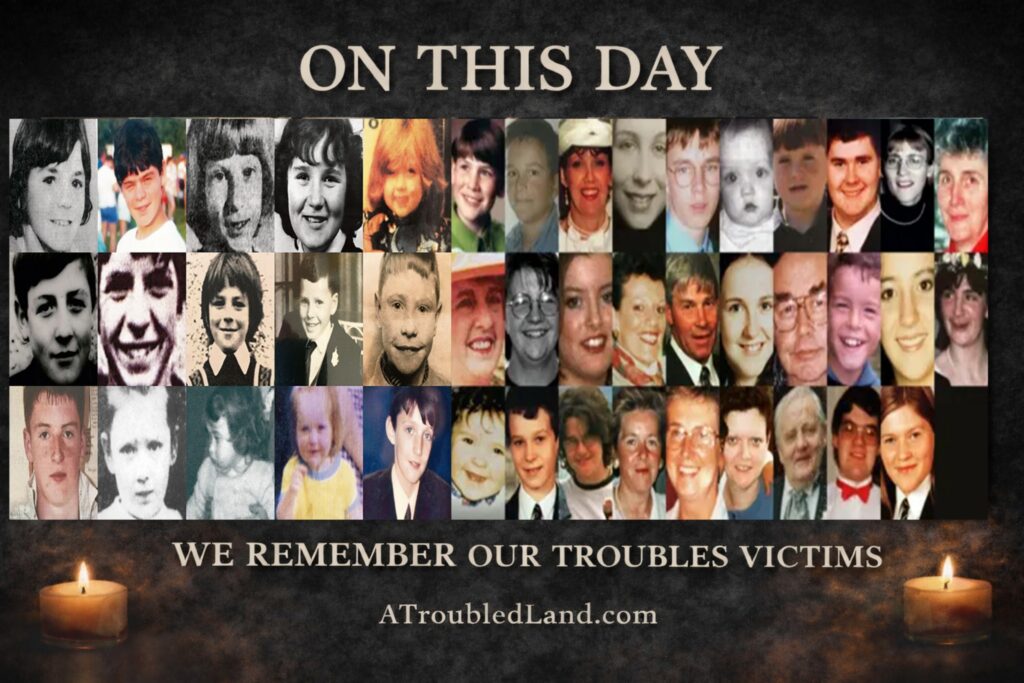
Speaking ahead of a memorial event remembering victims of the conflict, he said that while the pain of losing a family member never disappears, he no longer wishes to carry the burden of anger.
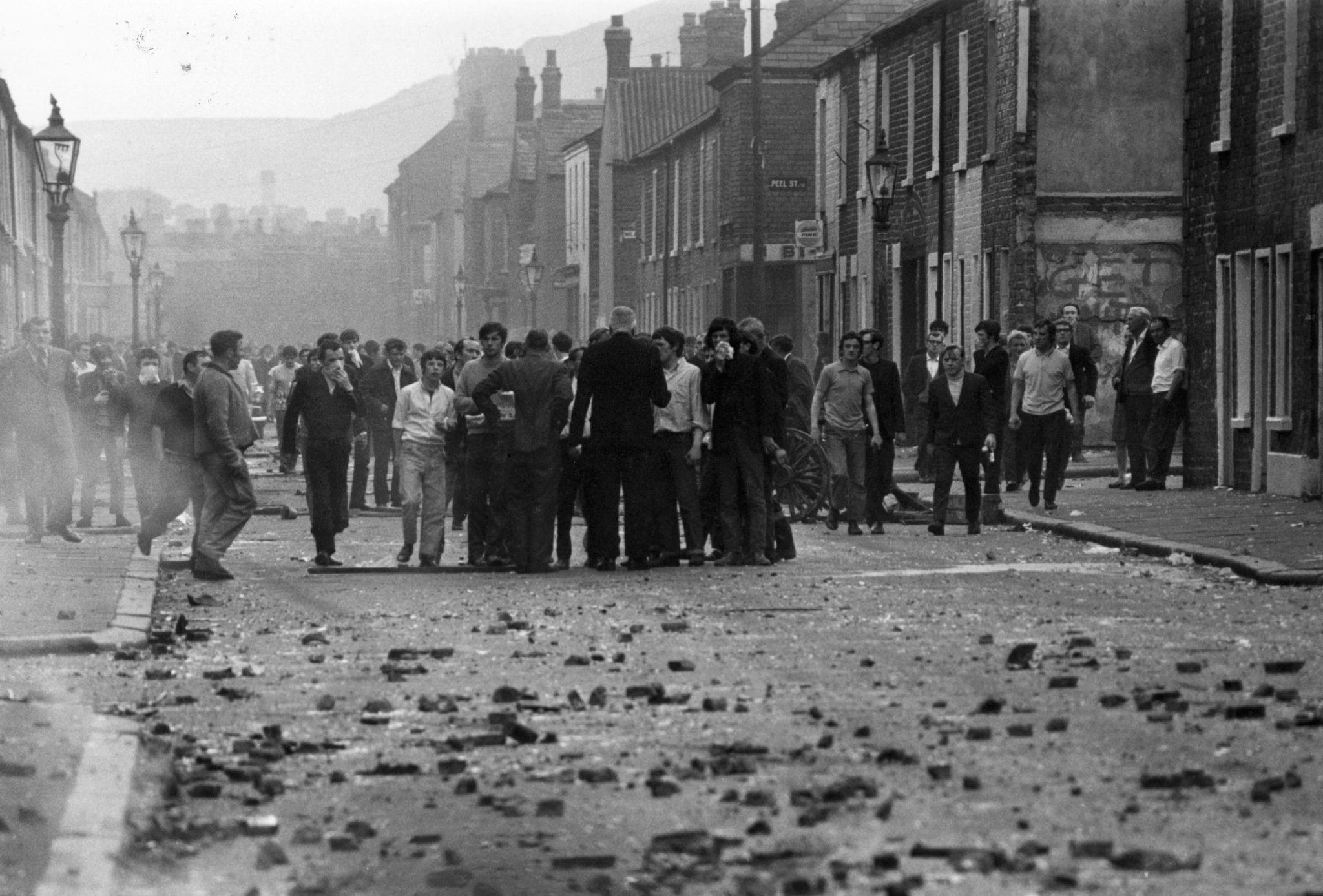
“My aunt was taken from us in an act of violence that should never have happened,” he said. “Nothing can change what happened to her or what our family went through. But I have reached a point where I do not want hatred to define my life.”
The attack in which his aunt was killed formed part of the wider campaign carried out by the Provisional IRA (PIRA) during the decades-long conflict that claimed more than 3,500 lives.
For many families affected by the violence, the question of forgiveness remains deeply personal and often controversial.
Some victims’ relatives say forgiveness can bring a sense of personal peace, allowing them to move forward after years of grief and trauma.
Others believe that forgiveness without accountability risks diminishing the seriousness of the crimes committed during the conflict.
The nephew acknowledged that his position may not be shared by everyone who lost loved ones.
“Every family carries their own grief,” he said. “I would never tell anyone else how they should feel about what happened to their loved ones. This is simply the decision I have reached for myself.”
Across Northern Ireland/The North, conversations about legacy, justice and reconciliation remain ongoing more than two decades after the Good Friday Agreement brought an end to most of the violence.
While political institutions have stabilised and everyday life has largely returned to normal, the legacy of the conflict continues to affect many families.
For victims’ relatives, anniversaries and memorial events often reopen painful memories.
Yet for some, they also provide opportunities to reflect on how society has changed since the years when violence was a near-daily reality.
The man said he hopes his decision to forgive does not erase the seriousness of the attack that killed his aunt, but instead reflects a desire to prevent the violence of the past from shaping the future.
“I will never forget what happened,” he said. “But I believe there has to be a point where we try to move forward as people.”
His comments come amid continuing discussions about how the legacy of the conflict should be addressed, including debates about investigations, historical cases and the role of truth recovery.
For many families, the search for answers remains ongoing.
For others, the focus has shifted toward remembrance and ensuring that those who lost their lives during the conflict are not forgotten.

Have a story you want to write yourself? Join Commentators Corner and write the news you want known - troubles/legacy or whatever is important to you.
Join Commentators CornerMore Stories - Click To View
The Largest Archive Of Troubles Media Ever Built
Explore thousands of documentaries, rare footage and banned material from the Troubles - preserved, organised and accessible in one place. Over 70,000 already follow ATL. Now go deeper.
Open The ATL Archive