
A survivor of the 1996 Docklands bombing has told a court that he believes former Sinn Féin leader Gerry Adams played a “major part” in the leadership of the Provisional IRA (PIRA).
The comments were made during legal proceedings connected to efforts by victims of the bombing to seek accountability for the attack that devastated part of London’s Docklands district nearly three decades ago.
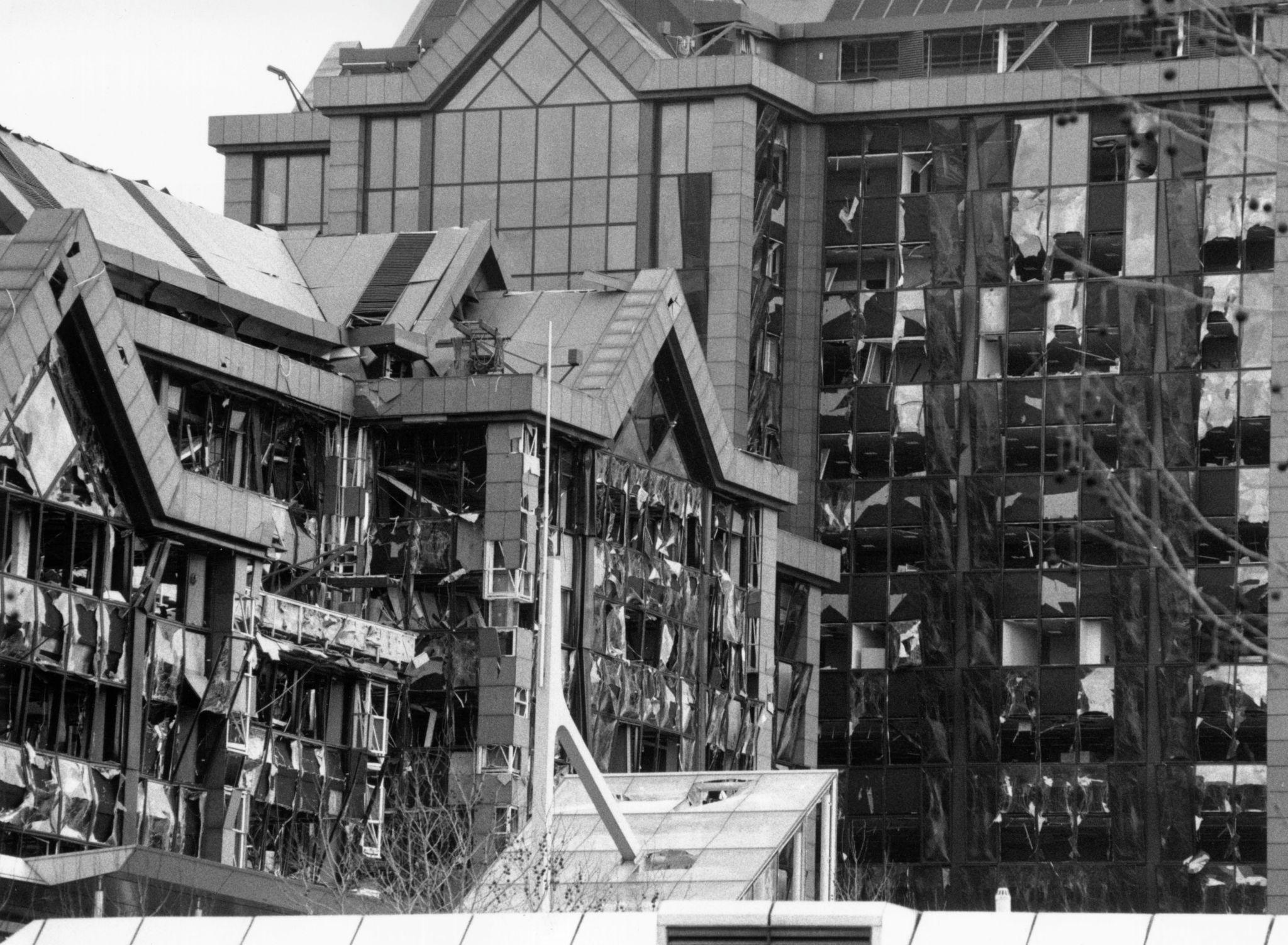
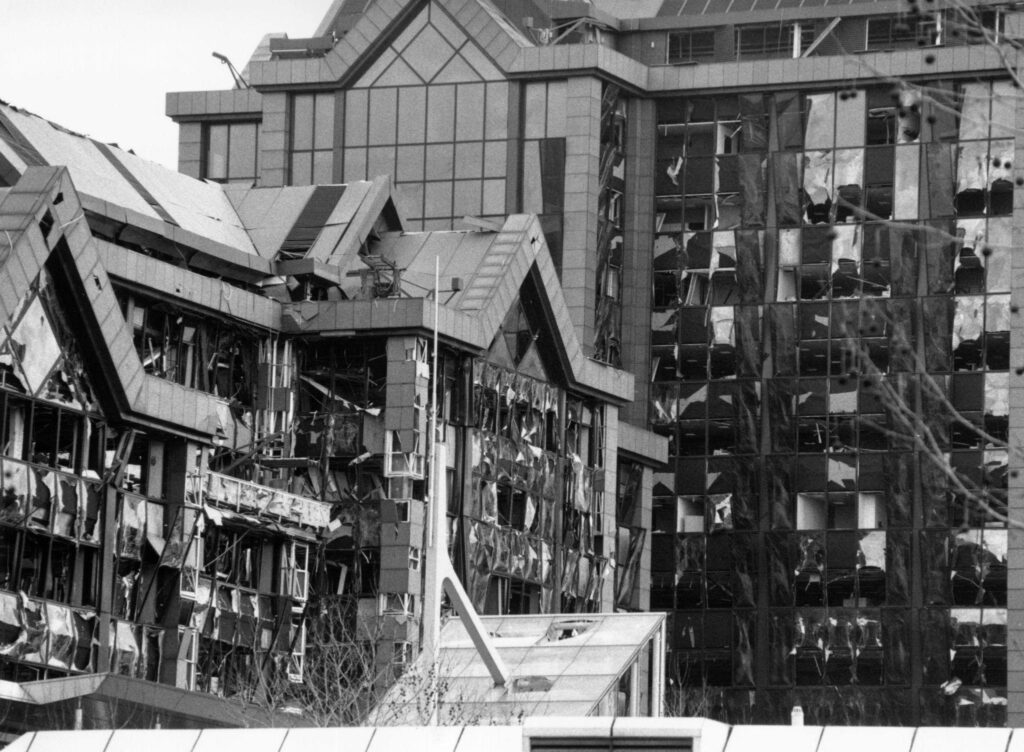
The explosion, which took place in February 1996, ended a 17-month ceasefire and marked a dramatic escalation in the conflict at the time. A large truck bomb detonated near Canary Wharf, killing two people and injuring dozens more while causing extensive damage to buildings in the surrounding area.
The bombing also caused an estimated £100 million in damage and became one of the most significant attacks carried out by the Provisional Irish Republican Army during the later years of the conflict.
During the court proceedings, the victim told the court that he believed Gerry Adams held a senior role within the organisation responsible for the attack.
Adams has consistently denied ever being a member of the Provisional IRA, maintaining the same position he has publicly stated for decades.
The civil case forms part of a wider legal effort by victims of PIRA violence to pursue accountability through the courts many years after the attacks occurred.
Because criminal prosecutions connected to historic incidents are often difficult due to the passage of time and limited available evidence, some victims have turned to civil legal action as an alternative way to seek answers.
Civil cases operate under a different legal standard from criminal trials. Rather than requiring proof beyond reasonable doubt, judges assess evidence based on the balance of probabilities.
For survivors of the Docklands bombing, the legal proceedings represent an attempt to examine the leadership and command structure behind the attack.
The blast in London’s Docklands had a profound impact at the time, not only because of the destruction it caused but also because it shattered hopes that the ceasefire announced in 1994 might lead to a lasting peace.
Following the attack, security measures across the UK were significantly increased as authorities prepared for the possibility of further violence.
For those injured in the bombing, the effects have lasted far beyond the moment of the explosion.
Many survivors have spent years dealing with physical injuries and psychological trauma connected to the attack.
The ongoing legal case has reopened difficult memories for those affected but also represents an opportunity for victims to have their experiences formally recognised in court.
The proceedings are expected to continue as further evidence and testimony are presented.