





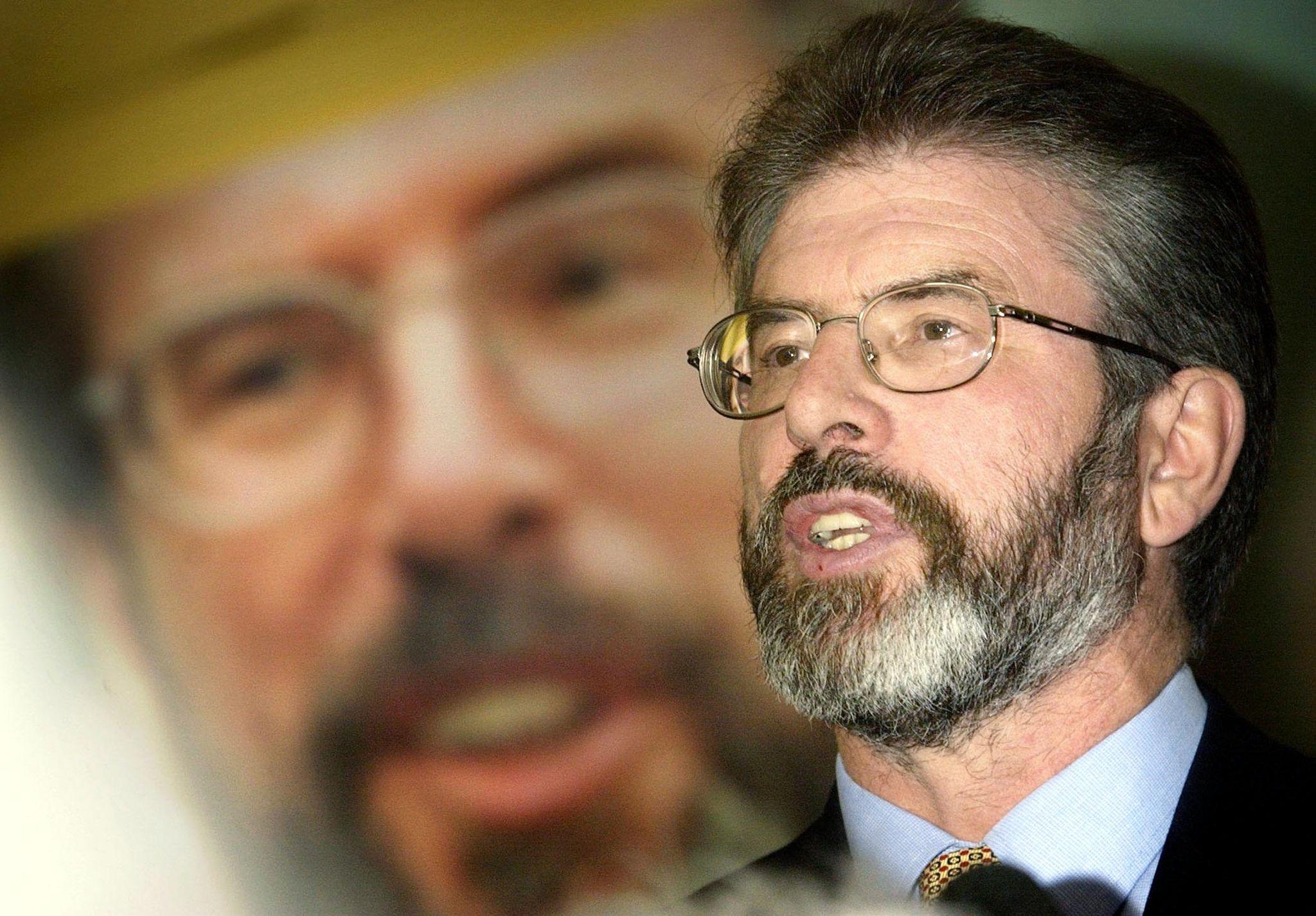
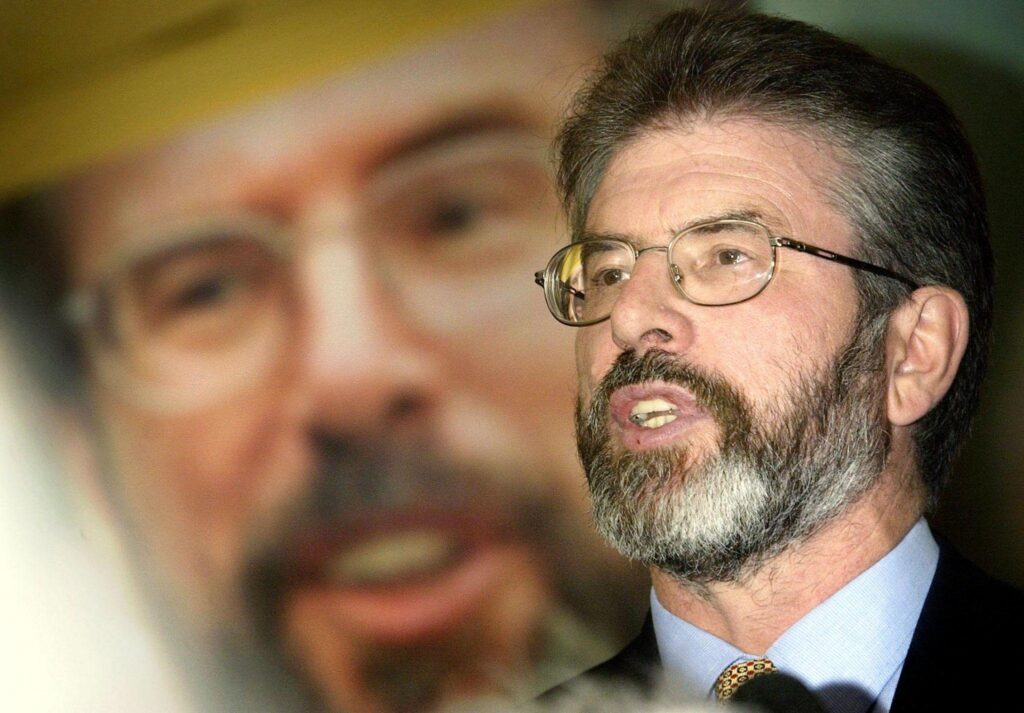
A major civil court case brought by victims of a Provisional IRA bombing has begun, with families seeking to hold former Sinn Fein president Gerry Adams legally responsible for their suffering.
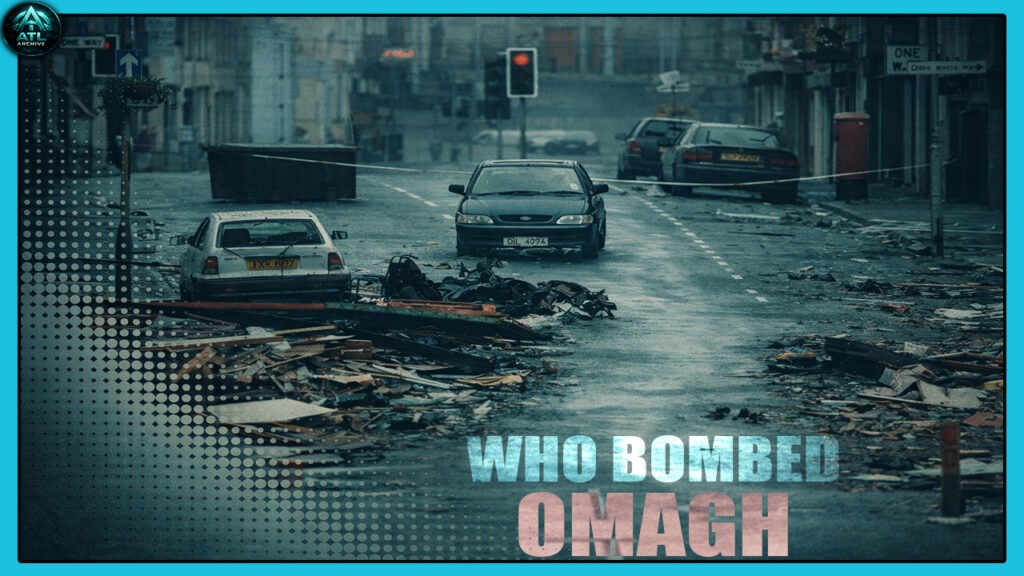
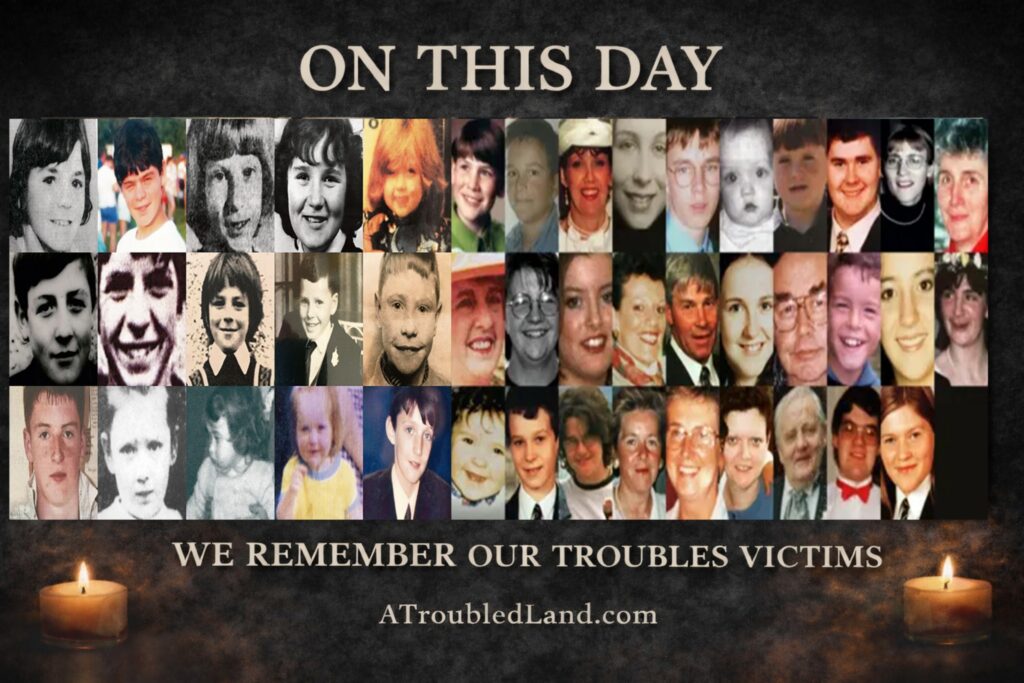
The case, which is expected to examine events dating back decades, has been brought by relatives of those killed or injured in an attack carried out by the Provisional IRA (PIRA) during the conflict in Northern Ireland/The North.
The plaintiffs argue that Adams held a leadership role within the organisation at the time and therefore bears responsibility for the actions of the group that carried out the bombing.
Adams has consistently denied ever being a member of the PIRA, maintaining the same position he has publicly stated for many years.
The civil proceedings mark the latest attempt by victims of the conflict to pursue accountability through the courts rather than through criminal prosecutions, which in many legacy cases have proven difficult due to the passage of time, lost evidence, and the deaths of key witnesses.
Lawyers representing the victims told the court that the case centres on establishing the chain of responsibility for the attack and the leadership structure of the PIRA during the period in question.
They argue that senior figures within the organisation played a critical role in directing operations and should therefore face legal accountability.
For the families bringing the case, the proceedings represent more than just a legal dispute.
Many say they have spent decades searching for answers about the circumstances surrounding the attack that changed their lives forever. With criminal investigations long concluded or unable to proceed, civil litigation has become one of the few remaining avenues available.
Civil cases differ from criminal prosecutions in a number of important ways. Rather than requiring proof beyond reasonable doubt, civil courts operate on the balance of probabilities – meaning a judge must decide whether it is more likely than not that the claim being made is true.
Because of that lower threshold, civil proceedings have increasingly been used in legacy cases connected to the conflict in Northern Ireland/The North.
Supporters of the families say the case highlights the continuing struggle faced by victims seeking justice decades after the violence occurred.
Critics, however, argue that such cases risk reopening wounds from the past and could deepen divisions within a society that has spent years attempting to move beyond the conflict.
The court is expected to hear detailed historical evidence relating to the PIRA’s command structure, its operational decision-making and the political environment surrounding the attack.
Legal teams on both sides are also expected to present witness testimony and documentary material dating back to the period of the bombing itself.
For the families involved, however, the case is about something far more personal than legal arguments.
Many have spent years campaigning to ensure the memory of those killed is not forgotten and to seek some form of accountability for the violence that devastated their lives.
The proceedings are expected to continue for several days as the court examines the evidence and hears from both sides.

Have a story you want to write yourself? Join Commentators Corner and write the news you want known - troubles/legacy or whatever is important to you.
Join Commentators CornerMore Stories - Click To View
The Largest Archive Of Troubles Media Ever Built
Explore thousands of documentaries, rare footage and banned material from the Troubles - preserved, organised and accessible in one place. Over 70,000 already follow ATL. Now go deeper.
Open The ATL Archive