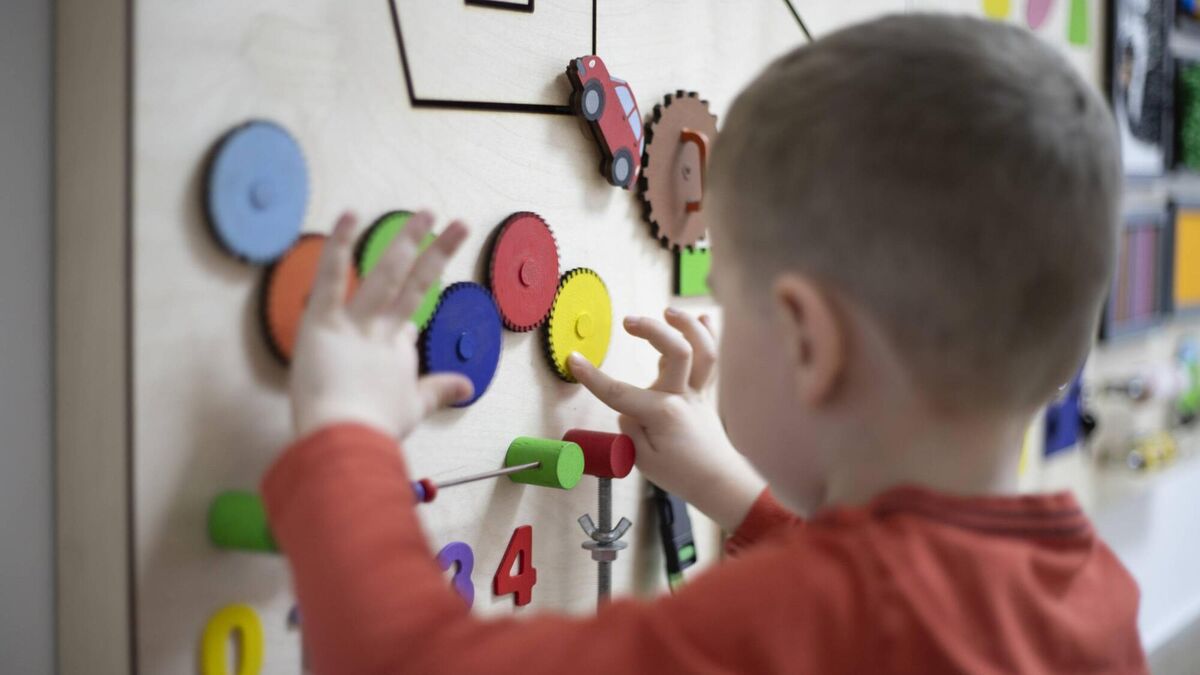
The Health Service Executive (HSE) has announced that a protocol intended to address the increasing waiting times for autism assessments has not yet been implemented, despite an initial target for rollout in early February. This delay has raised concerns among families and professionals involved in autism care in Northern Ireland/The North, where similar issues with assessment delays have been reported.
The protocol was designed to streamline the assessment process for children with autism, aiming to reduce the lengthy waiting periods that many families currently face. The HSE’s failure to meet the rollout deadline has prompted criticism from various stakeholders, who argue that timely assessments are crucial for early intervention and support.
In Northern Ireland/The North, the situation mirrors the challenges experienced in the Republic of Ireland, with many families expressing frustration over the lack of progress in addressing these delays. The HSE has not provided a new timeline for the implementation of the protocol, leaving many uncertain about when improvements can be expected.
As discussions continue regarding the necessary reforms to autism services, the impact of these delays on children and their families remains a pressing issue. Advocacy groups are calling for immediate action to ensure that children receive the assessments and support they need without unnecessary waiting periods.
The ongoing situation highlights the need for a coordinated approach to autism services across both Northern Ireland/The North and the Republic of Ireland, as families navigate the complexities of accessing timely care.
A cyclist in his 70s has died following a collision with a truck in Balbriggan, County Dublin, which is situated just south of the border with Northern Ireland/The North. The incident occurred recently and has led to the arrest of a man in his 30s, who is currently being questioned by the Garda Síochána as part of their investigation into the crash.
The details surrounding the circumstances of the collision have not yet been disclosed, and authorities have not released the identity of the deceased cyclist. The Garda Síochána is actively appealing for witnesses to come forward with any information that may assist in their inquiries. This incident has prompted an outpouring of grief from local community members, highlighting the impact of such tragedies on families and friends.
The fatal crash has reignited discussions about road safety for cyclists in the region. Community leaders and residents are expressing concerns about the safety of cyclists on the roads, and there are calls for potential improvements to road safety measures to prevent similar incidents in the future. The ongoing investigation by the Garda Síochána aims to clarify the events leading up to the collision and ensure that appropriate actions are taken in response to this tragic event.
As the community mourns the loss of the cyclist, there is a growing recognition of the need to address road safety issues more comprehensively. This incident serves as a reminder of the vulnerabilities faced by cyclists and the importance of creating safer road environments for all users.
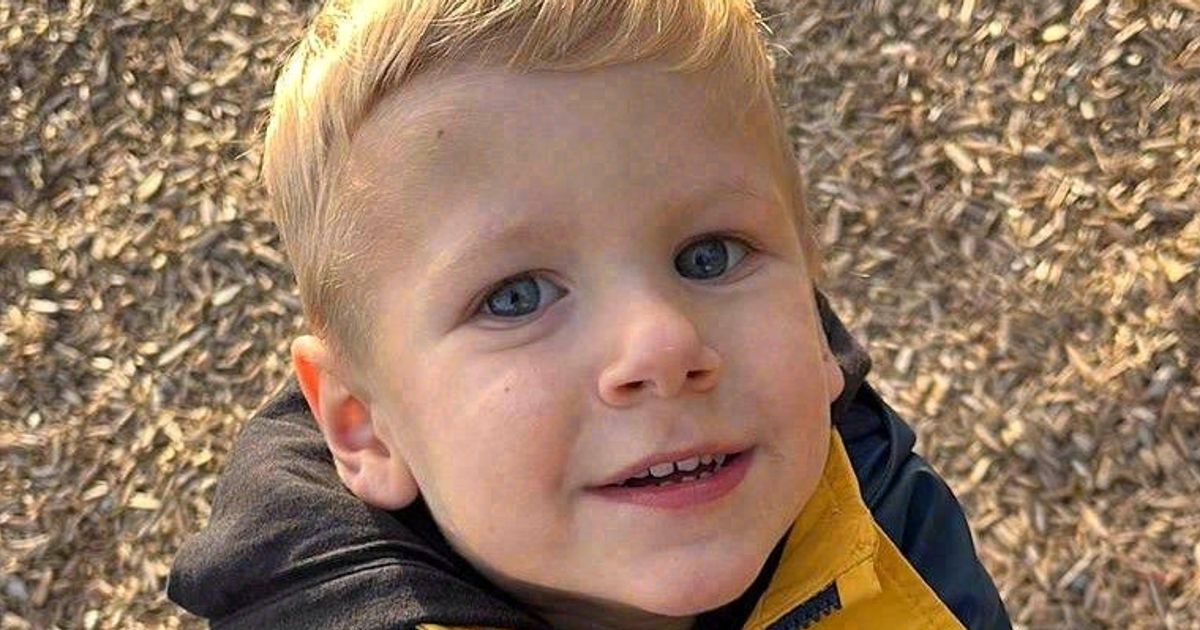
A three-year-old boy named Noah, who has been remembered as a “source of endless joy” by his family, tragically lost his life following an incident in an underground car park at the Charlestown Shopping Centre in Finglas. The incident occurred on Wednesday, leading to an outpouring of grief from family and friends as they gathered to pay their final respects.
Noah’s death has resonated deeply within the local community, prompting expressions of sympathy and support for his family during this difficult time. Loved ones have described him as a cherished child whose presence brought happiness to those around him. The circumstances surrounding the incident are currently under investigation, with authorities looking into the details of the tragic event.
As the community mourns the loss of a young life, discussions about safety in public spaces, particularly in areas frequented by families, have emerged. The incident has highlighted the importance of vigilance and care in environments where children are present. Local leaders and residents are expected to engage in conversations about measures that could enhance safety in similar settings.
Funeral arrangements for Noah are being made, and it is anticipated that many will attend to honor his memory. The impact of this tragedy is likely to be felt for some time, as families and friends reflect on the preciousness of life and the need for community support in times of sorrow.
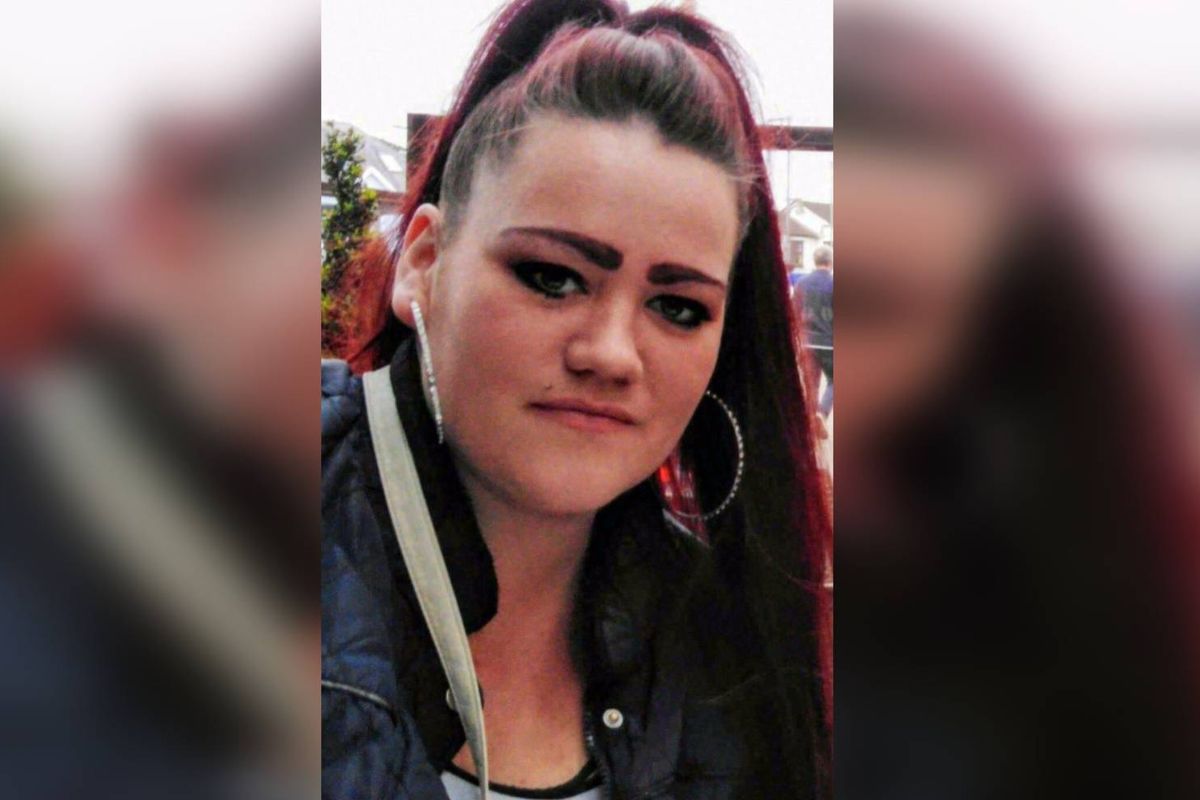
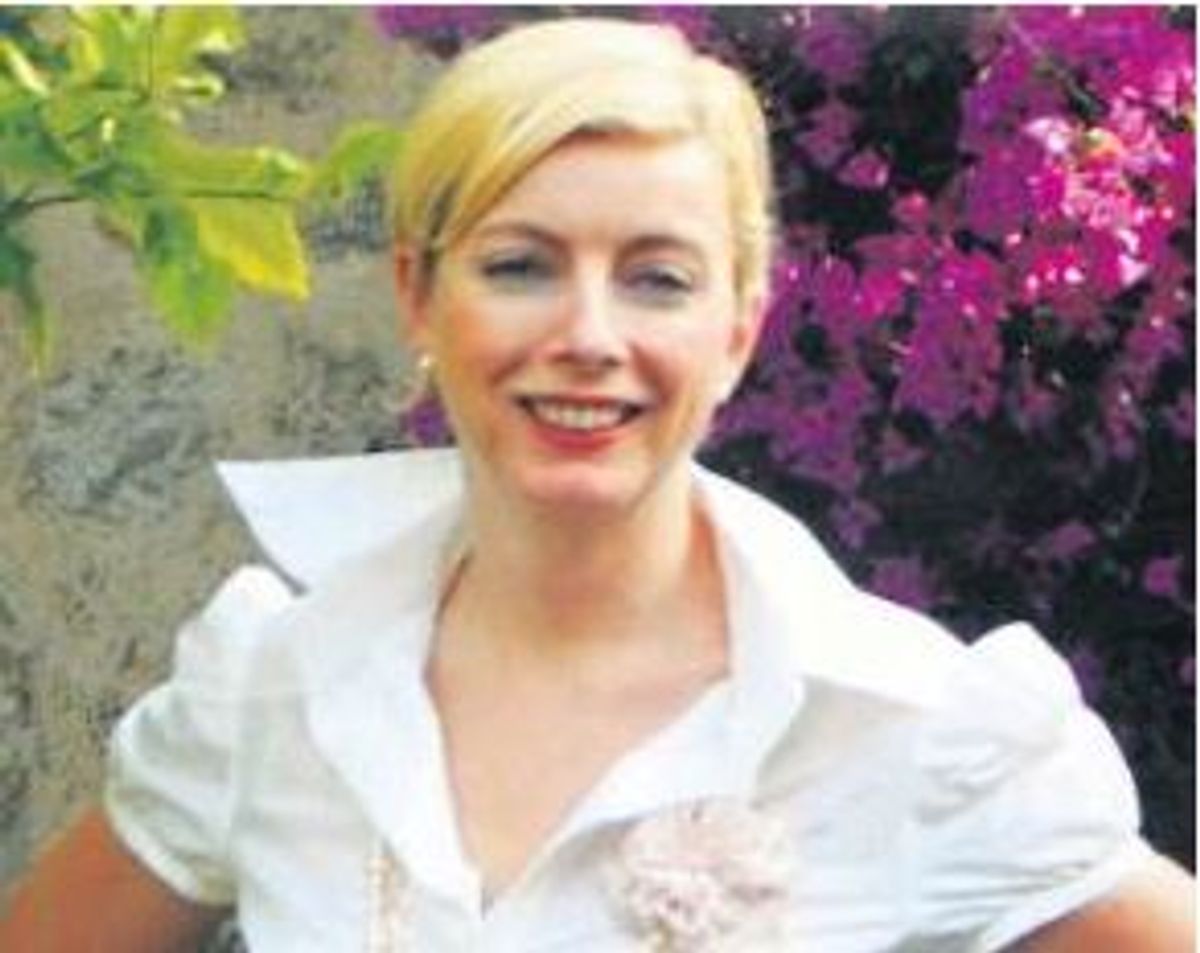
Tributes have been paid to Kelly Cremin, a 32-year-old mother of three, who tragically died following an accident at her home in Cork. The incident occurred on Friday, prompting an outpouring of grief from family, friends, and the local community, all mourning her untimely loss. Cremin is remembered for her warmth and friendly nature, leaving a lasting impression on those who knew her.
In the wake of her passing, many individuals have shared heartfelt messages that highlight her dedication as a mother and her role as a cherished friend. The community has come together to support her family during this difficult time, with numerous expressions of condolences and shared memories reflecting Cremin’s kindness and spirit. Her loss has resonated deeply, prompting many to reflect on the impact she had on their lives.
Although the incident took place in Cork, the news has reached many in Northern Ireland/The North, where there is often a strong sense of connection to events affecting families across the island. The shared grief underscores the communal bonds that exist between Northern Ireland/The North and the Republic of Ireland, particularly during times of loss. As tributes continue to emerge, the focus remains on celebrating Cremin’s life and the legacy she leaves behind for her children and loved ones.
The response from the community illustrates the profound effect Cremin had on those around her, with many expressing their sorrow and support for her family. This tragic event serves as a reminder of the fragility of life and the importance of community ties in times of bereavement.
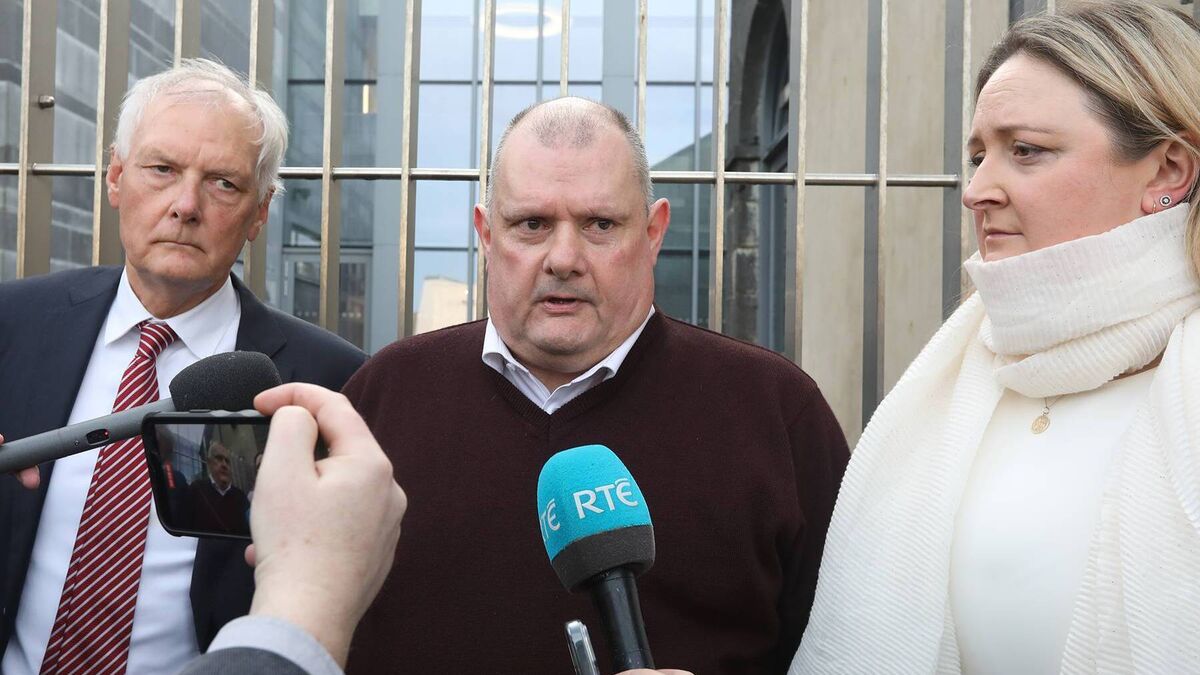
The recent acquittal of five gardaí following a lengthy trial in Limerick has raised significant questions regarding the effectiveness of investigations and prosecutions within law enforcement. This case has prompted discussions about the implications for police morale and public trust in the justice system.
While the trial took place in the Republic of Ireland, the outcomes and the surrounding discourse may resonate with communities in Northern Ireland/The North, where similar issues regarding police accountability and public perception are often at the forefront of discussions. The acquittal has led to calls for a review of how investigations are conducted and how cases are prosecuted, highlighting the need for transparency and accountability in law enforcement agencies.
The implications of this trial extend beyond the immediate legal outcomes, as they touch on broader themes of governance and public confidence in the police. Stakeholders in Northern Ireland/The North may find the developments in Limerick relevant, as they reflect ongoing challenges faced by police forces in both jurisdictions. The discourse surrounding this case underscores the importance of maintaining public trust and the need for robust mechanisms to address any concerns regarding police conduct.
As the conversation continues, it remains to be seen how this acquittal will influence future policies and practices within law enforcement, both in the Republic of Ireland and in Northern Ireland/The North. The case serves as a reminder of the complexities involved in policing and the critical role of public perception in shaping the relationship between communities and law enforcement agencies.
Envoi Allen, a notable racehorse, has died following a collapse after competing in the Cheltenham Gold Cup. According to James Given, the director of equine health and welfare at the British Horseracing Authority, the horse “almost certainly” suffered from a “very acute cardiovascular collapse.” This incident has raised significant concerns within the equine community regarding the health and safety of racehorses.
Although the event took place outside of Northern Ireland/The North, it has implications for the equestrian and racing communities in the region, where horse racing is an integral part of local culture and economy. Envoi Allen was considered an exceptional competitor, and his sudden death has sparked discussions about the physical demands placed on racehorses during high-stakes events. The loss of a horse of his caliber may prompt increased scrutiny of racing practices and veterinary care in Northern Ireland/The North.
As investigations into the circumstances surrounding Envoi Allen’s death continue, stakeholders in the racing industry are expected to assess existing protocols to enhance the welfare of horses involved in competitive events. This incident serves as a reminder of the importance of ensuring the health and safety of racehorses, particularly in light of the rigorous demands of the sport. The equine community in Northern Ireland/The North will likely be closely monitoring developments related to this case and any potential changes that may arise from it.
By Kathryn Guest Contributor – ATL Commentators Corner
This weekend begins the countdown to the special day for the Irish in America. A day that I’ve heard began in 1790 in America, but also that a great celebration of this day began in Ireland. A day that showed the honor the Irish Americans have always held and for the Irish people and the beautiful Island where they live.
I’m an American citizen with an obsession for Irish History, particularly the history of the 30 year conflict often called The Troubles. I apologize that I am pretty ignorant when it comes to how the celebration of St. Patrick’s day came to be one of huge parades and close to one million observers in Dublin, and more in New York and Boston. However, there has been the lovely tradition of having a White House celebration that allowed leaders from your countries to talk to American leaders and have a meeting of the minds on what best serves Irish, British, and American policy I admit that I am an American citizen who came home from my trip to Ireland in 2024 to make sure that my vote against Donald Trump was counted in that election. I am not a fan of Donald Trump and given that I think what he has done to our country is worse than I imagined it could be, I wish I had stayed there. I’m not a fan of our current president (and I so hate to word it that way), but aside from my views as an American, I wish that leaders such as Emma Little Pengally and Taoiseach Micheal Martin had followed Sinn Fein’s example and refused the invitation to the White House for this special day This is a day for the Irish people, and should be a day of respect for the Irish people by Americans and others. Most importantly a sincere atmosphere of respect should take place between Irish and American leaders. I do not believe Donald Trump will show that respect for the Taoiseach and the Deputy first Minister. So let us look at Mr. trump’s record.
First the Trump administration has shown its lack of love for the Irish for making every effort to subjugate those not born in the United States to a subhuman status. We have heard of the case of Seamus Culletin, an Irishman, with a job in Boston and an American wife, who has been in ICE detention for six months. iCE claims that there are only five or sux cases exist involving the Irish. If this were the case each case of Irish immigrants in detention was in the headlines. Statistically it is unlikely that each case involving one group, would have its own headlines. Most cases simply go under the radar. ICE , the Immigration and Customs Enforcement agency in the USA, has some professional agents no doubt, yet their reputation has been that of a large force of men and women given 47 days of training with lower standards than those required in 2024. At that, trainees are sometimes allowed field positions even though they can’t pass written exams, even on open book tests; or drug tests, or the physical fitness exams. Many of us assumed that White, European immigrants would be treated better than immigrants from Central and South America, or Africa. However, Mr. Culletin’s description of his treatment shows the same lack of humanity as that shown to darker skinned immigrants. If one were to extrapolate out from immigrants, we can guess how much respect the Trump administration has for the Irish. Yet America owes so much to Irish immigrants that we should never stop thanking our foremothers and fathers from Ireland and the North of Ireland for and giving us our sense of history. This is how the descendants of the diaspora see our place in the country I live in. Instead, modern day Irish immigrants are treated much worse than those who fled the Great Hunger to the United States. In fact, immigrants are treated worse than a convicted murderer in prison in America. Though there are fewer Irish coming to America now than then, those caught up in the desire to immigrate today are treated like concentration camp inmates when they are apprehended as though there were no greater crime than wanting to live in America and have a good life. Beyond immigrants there is also the issue of respect for leaders, from this White House. The most troubling example of this administration’s treatment of leaders came early last year with the terrible bullying of Pres. Zelensky of the Ukraine. A man who has risked his life and his family’s lives to fight Russia was berated for not wearing a suit. When it came to treatment of the Taoiseach and Taniste of Ireland, last year, Donald Trump ignored legitimate Irish leaders to spend his time glorifying Conor McGregor an athlete who has also been accused of sexual abuse. If Trump admired McGregor’s fighting career, that is one thing, but McGregor does not come with a clean record and is certainly not the best Ireland has to offer and his snub of the governmental leaders of Ireland should have ended any White House visit of those leaders during the Trump administration.
The Irish Times had an editorial, a week ago Sunday stating that Trump may want the use of Shannon Airport for a launch for his war in Iran. I cannot guess whether he will discuss this, nor would I be willing to state the best course for Ireland. What I can say is that the Trump’s track record for keeping promises is dim. Donald Trump is often described as transactional. I think the best way to put that is that Trump has no use for you, unless he actually has a use for you. During his recent campaign for president, Mr. Trump promised his voters, among other things, that he would bring down costs of basic necessities. He promised this to be accomplished immediately when he took office. But Trump no longer needs his voters, either he is through with the office of President as soon as this term is up, or he will somehow achieve the presidency by non-democratic means. Either way, he no longer needs his voters. His first comments on the concept of cost cutting for the average American was that once prices are high, they are hard to bring down. Since that time he simply says that the economy is altogether better under him with no documentation of that, The average voter can go to the grocery store and see that prices on the same items have not decreased, in fact, without changing any purchasing habits, it is slightly higher. Additionally, his back and forth tariff deals have much more to do with whether he is angry at a government than that tariffs are a good economic measure. One of the highest tariffed countries is Brazil and that is more over his anger that Brazil arrested their former president, Bolsonaro, a man who attempted a coup along the lines of the January 6, actions in the USA, with crimes. The tariff serves no economic purpose for the United States, it is just that he wants to punish Brazil.
Previously, the 6-7 hour trip from Dublin to Washington D.C. has been of greater good for both countries. William Clinton and former Sen. George Mitchell were both instrumental in bringing the parties together for the Good Friday Agreement. Both before and after that agreement was ratified, the St. Patrick’s Day celebration was very useful in making the Agreement work well. And every President has used this event to demonstrate respect for the Irish. Even in Trump’s first term there were guardrails in place to retain normalcy in the St. Patrick’s day celebration diplomacy. This time Trump is served by a cabinet that is unable to do the job assigned to them, or in Marco Rubio’s case (Secretary of State) he is overwhelmed by so many tasks that he can’t provide a good diplomatic environment this upcoming St. Patrick’s day.
Last I wonder why Irish and UK leaders fly to New York to celebrate this wonderful day. It is a time meant for the respect of the Irish People and for the beginnings of the Christian religion in Ireland. I am one of those people in the United States with Irish Antecedents on both sides of my family. With some as far back as under Cromwell, some diaspora and some later. They say now that there are 32,000,000 million American people who are the result of Irish Immigration. Somehow, I think that number is very conservative. Nonetheless, I prefer celebrating St. Patrick’s day in Ireland and I think that Americans get quite a lot out of visiting Ireland on this special day. However, if you want to visit the raucous day where beer is dyed green in American bars (a few of which are called pubs), and the proud parade of the Irish founded New York Police Department, it is very much fun over here as well. However, I think that Sinn Fein has shown the value of Irish heritage by not coming to be ignored, or disrespected by those in Trump’s orbit. Whether it is the Irish or the UK government, respect cannot be counted upon in Washington D.C. at the White House. In fact, some measure of humiliation is more likely than not to occur. If it were my call, I would stay home where I might be able to see parades from either or both countries streaming live.
I’m sure many Americans and many Irish or Loyalist people would disagree with me. This is simply the opinion of one American citizen who thinks about how I may need to emigrate from my own country, preferably to Ireland. A country I love so much. Many Americans disagree with me as well. It is simply my personal belief that Sinn Fein will not regret the decision to decline the invitation.
Brian Kearney, a 67-year-old man serving a prison sentence for the murder of his wife, Siobhan Kearney, has been granted a “compassionate” day release to visit family. Kearney was convicted for the 2018 murder, in which he strangled Siobhan, who was 38 years old, using a wire flex at their home. The decision to allow him this temporary release has sparked significant concern, particularly from the victim’s family.
The family of Siobhan Kearney has publicly expressed their horror at the decision, stating that it has caused them considerable emotional distress. They have raised concerns about the implications of permitting a convicted murderer to spend time outside of prison, even under controlled circumstances. This situation has led to discussions regarding the policies governing compassionate releases for inmates in Northern Ireland/The North.
Kearney’s case has highlighted broader issues related to domestic violence and the justice system’s approach to such cases. Advocates for victims’ rights are calling for a thorough review of the criteria used to grant compassionate releases, stressing the importance of balancing compassion with public safety. The decision has reignited debates about how offenders are treated within the justice system and the potential impact on the families of victims in Northern Ireland/The North.
As discussions continue, the implications of this case may influence future policies regarding the treatment of convicted individuals and the rights of victims’ families. The case serves as a reminder of the ongoing challenges faced in addressing domestic violence and ensuring justice for victims in Northern Ireland/The North.
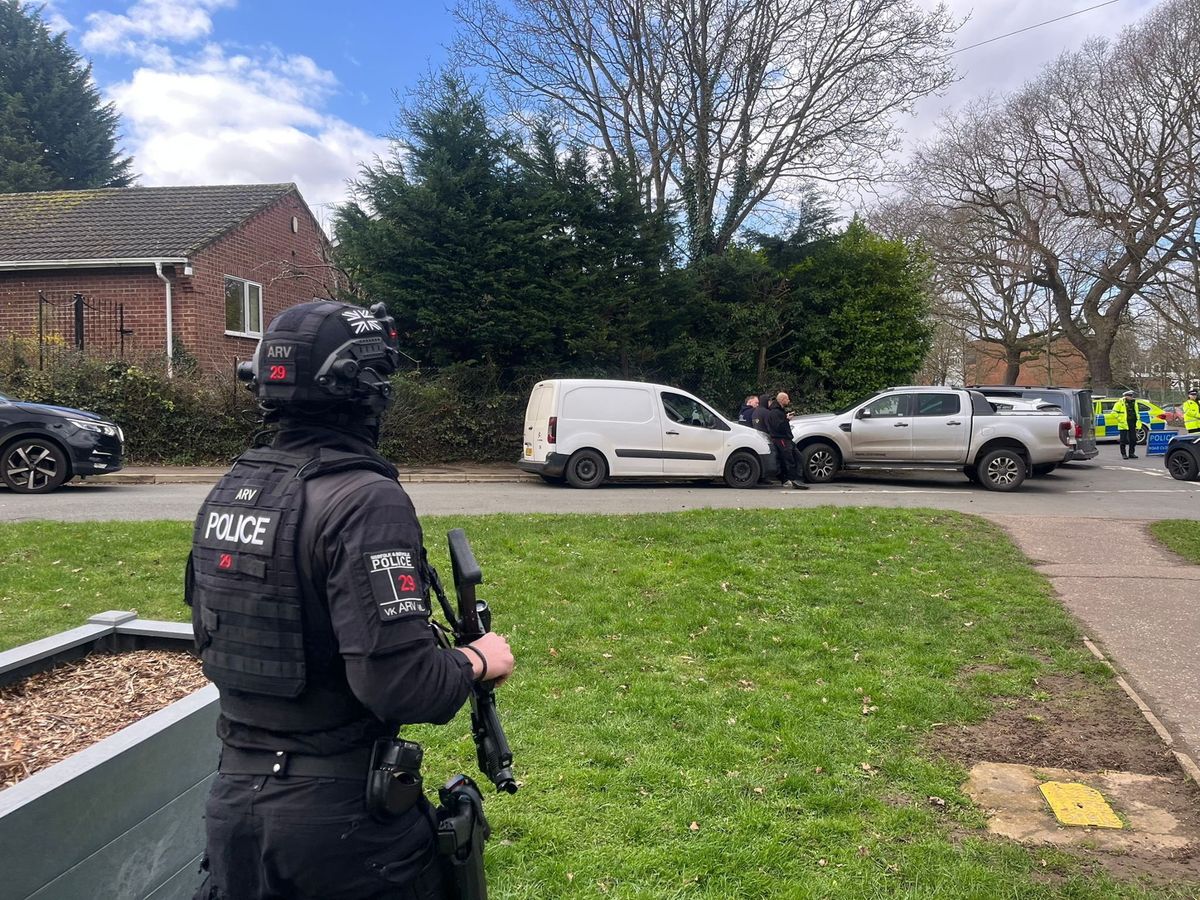
A 15-year-old boy has been charged with attempted murder and possession of a knife on school premises following a stabbing incident at a school in Norfolk, England. The case has garnered significant attention due to the serious nature of the charges and the involvement of minors. The boy is set to appear in court as part of the ongoing legal proceedings.
While the incident occurred outside of Northern Ireland/The North, it has raised concerns regarding youth violence and safety within educational settings, issues that resonate across the UK, including Northern Ireland/The North. Discussions about the safety of students in schools have become increasingly relevant, especially in light of recent events.
Authorities have not released further details regarding the circumstances of the stabbing or the condition of the victim. However, the incident has sparked conversations about the necessity for enhanced safety measures in schools to protect students from violence. Community leaders and educators in Northern Ireland/The North may view this event as a catalyst for broader discussions on youth safety and violence prevention strategies within schools.
The implications of such incidents can have far-reaching effects on communities, prompting a reassessment of existing policies and practices aimed at ensuring a safe learning environment for all students. As investigations continue, there may be increased calls for collaborative efforts among local authorities, schools, and parents to address these pressing concerns.
The focus on youth violence and safety in educational settings is critical, and incidents like the one in Norfolk serve as a reminder of the challenges faced by communities across the UK, including Northern Ireland/The North.
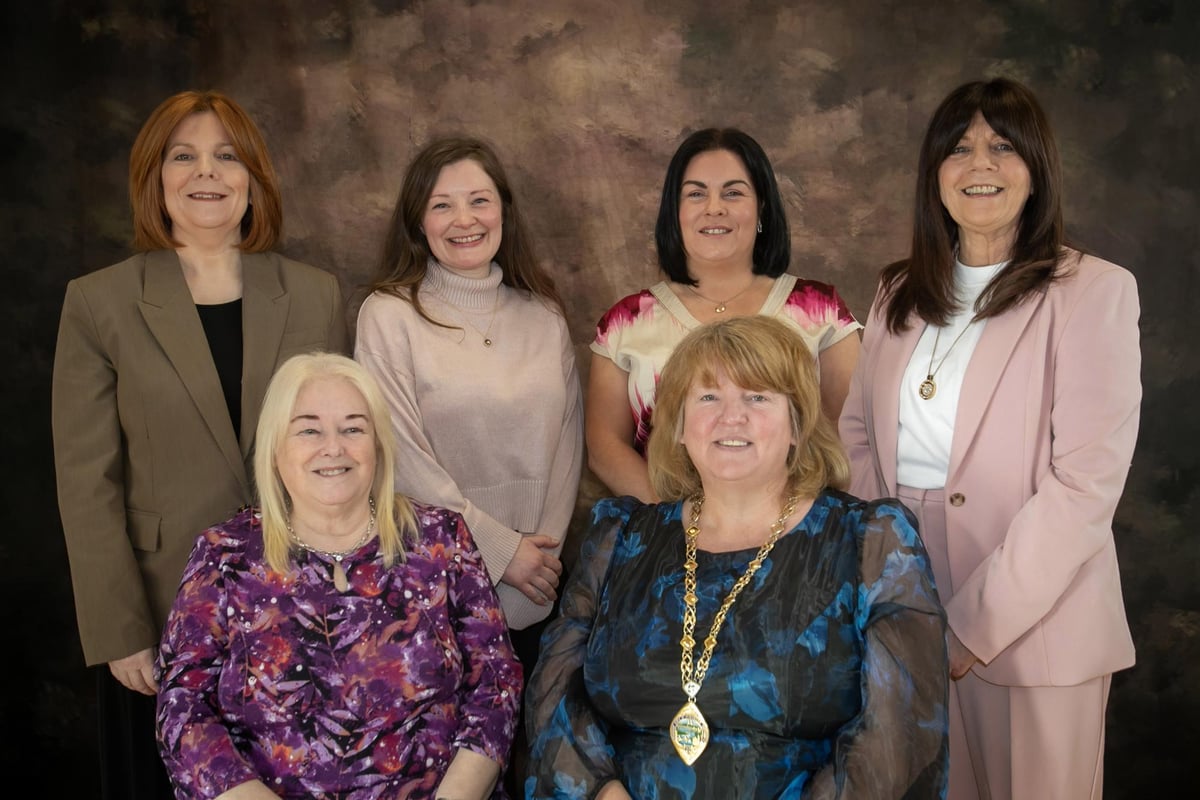
More than 100 women gathered in the Waterside area of Derry to mark International Women’s Day, attending a special community event celebrating women’s achievements and highlighting issues affecting women locally.
The event brought together women from across the city for a day focused on discussion, networking and community engagement.
Organisers said the gathering aimed to create a supportive space where women could share experiences and explore ways to strengthen opportunities and representation within the local community.
Speakers at the event addressed a range of topics including women’s leadership, social challenges, community involvement and the importance of supporting women’s voices in public life.
Participants were also encouraged to discuss the issues they believe most affect women in Derry and across Northern Ireland/The North.
International Women’s Day is marked around the world each year on 8 March, celebrating the social, economic, cultural and political achievements of women.
Events held on the day often aim to highlight ongoing challenges such as equality in the workplace, representation in leadership roles and broader social issues affecting women.
Organisers of the Waterside event said the strong turnout demonstrated the importance of creating spaces where women can come together to support one another.
They said the gathering also provided an opportunity to recognise the contributions women make to their communities while encouraging further engagement in civic and social initiatives.
Community events marking International Women’s Day have become increasingly common across Northern Ireland/The North, with organisations hosting discussions, workshops and public gatherings to recognise the occasion.
The Waterside event in Derry was described as a positive and uplifting celebration of women’s achievements and the role they continue to play in shaping their communities.
To provide the best experiences, we use technologies like cookies to store and/or access device information. Consenting to these technologies will allow us to process data such as browsing behavior or unique IDs on this site. Not consenting or withdrawing consent, may adversely affect certain features and functions.
Functional
Always active
The technical storage or access is strictly necessary for the legitimate purpose of enabling the use of a specific service explicitly requested by the subscriber or user, or for the sole purpose of carrying out the transmission of a communication over an electronic communications network.
Preferences
The technical storage or access is necessary for the legitimate purpose of storing preferences that are not requested by the subscriber or user.
Statistics
The technical storage or access that is used exclusively for statistical purposes.The technical storage or access that is used exclusively for anonymous statistical purposes. Without a subpoena, voluntary compliance on the part of your Internet Service Provider, or additional records from a third party, information stored or retrieved for this purpose alone cannot usually be used to identify you.
Marketing
The technical storage or access is required to create user profiles to send advertising, or to track the user on a website or across several websites for similar marketing purposes.