





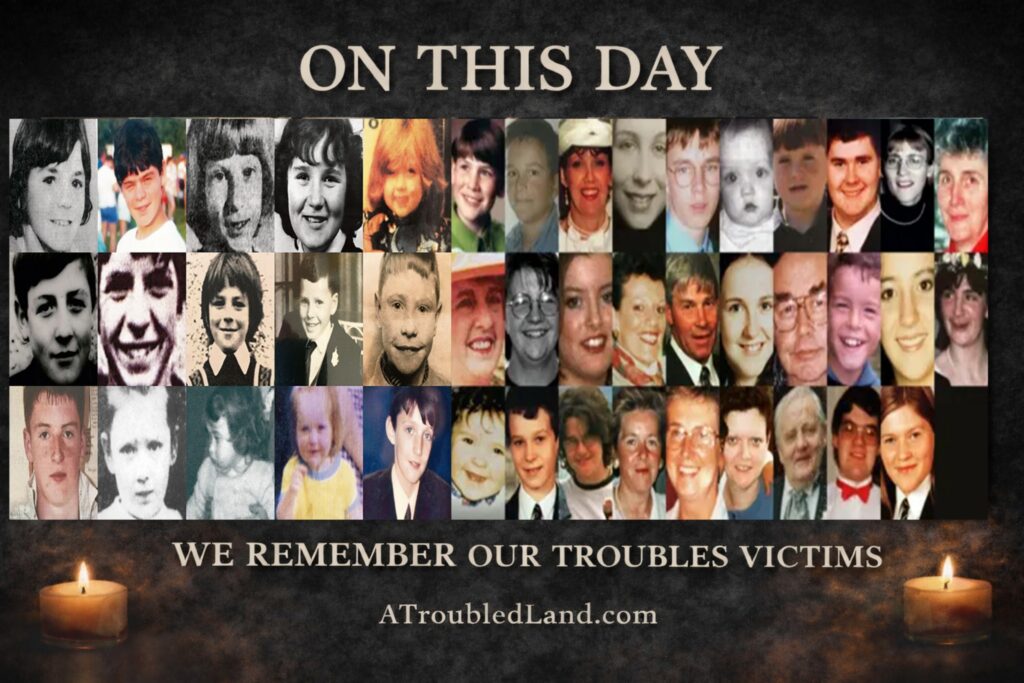
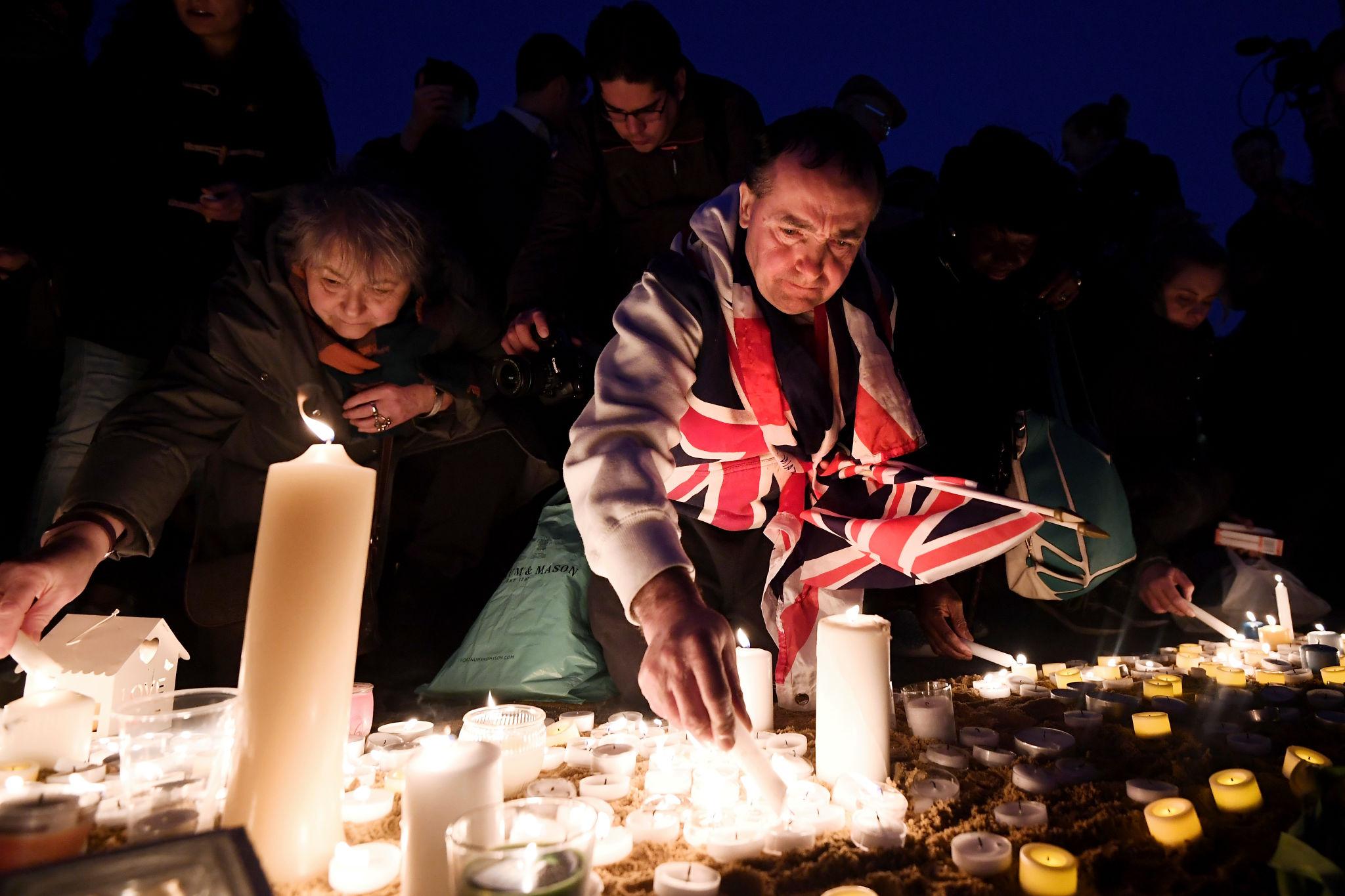
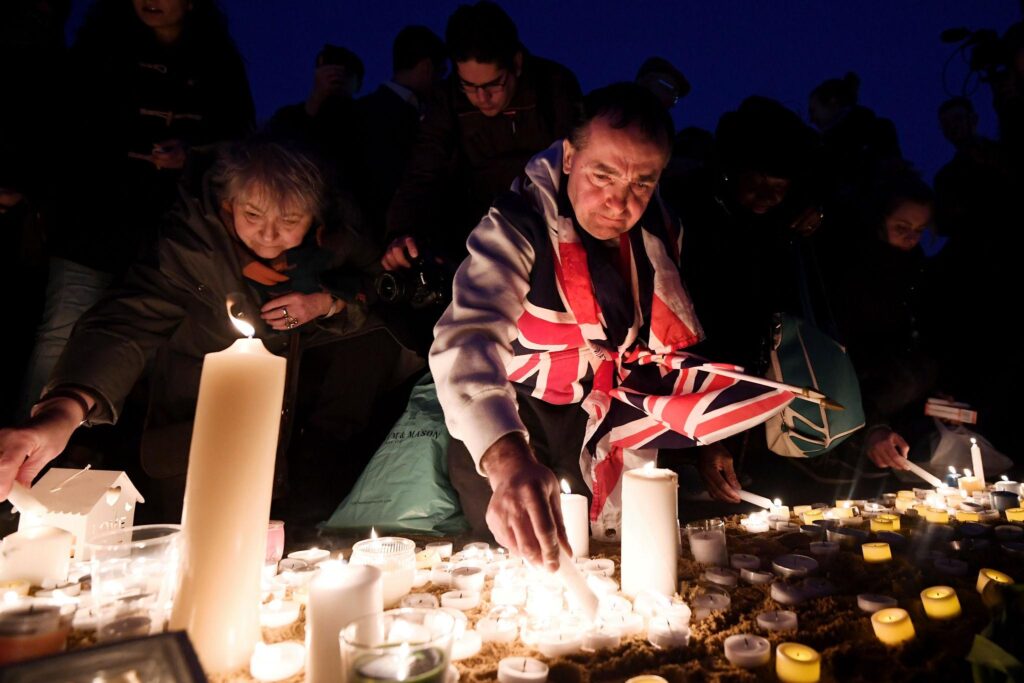
Across Britain and Ireland, victims of terrorism will gather this week in two of the most symbolic political buildings in these islands – Stormont and Westminster – to mark the European Day of Remembrance for Victims of Terrorism.
The annual day, observed across Europe on 11 March, was created by the European Union following the Madrid train bombings of 2004, in which 193 people were killed. Its purpose is simple but powerful: to ensure that the voices of victims are heard above politics, ideology and the passage of time.
This year’s commemorations will bring together people whose lives were permanently altered by violence carried out by a wide range of groups – including the UVF, the Provisional IRA (PIRA), and Islamist extremists.
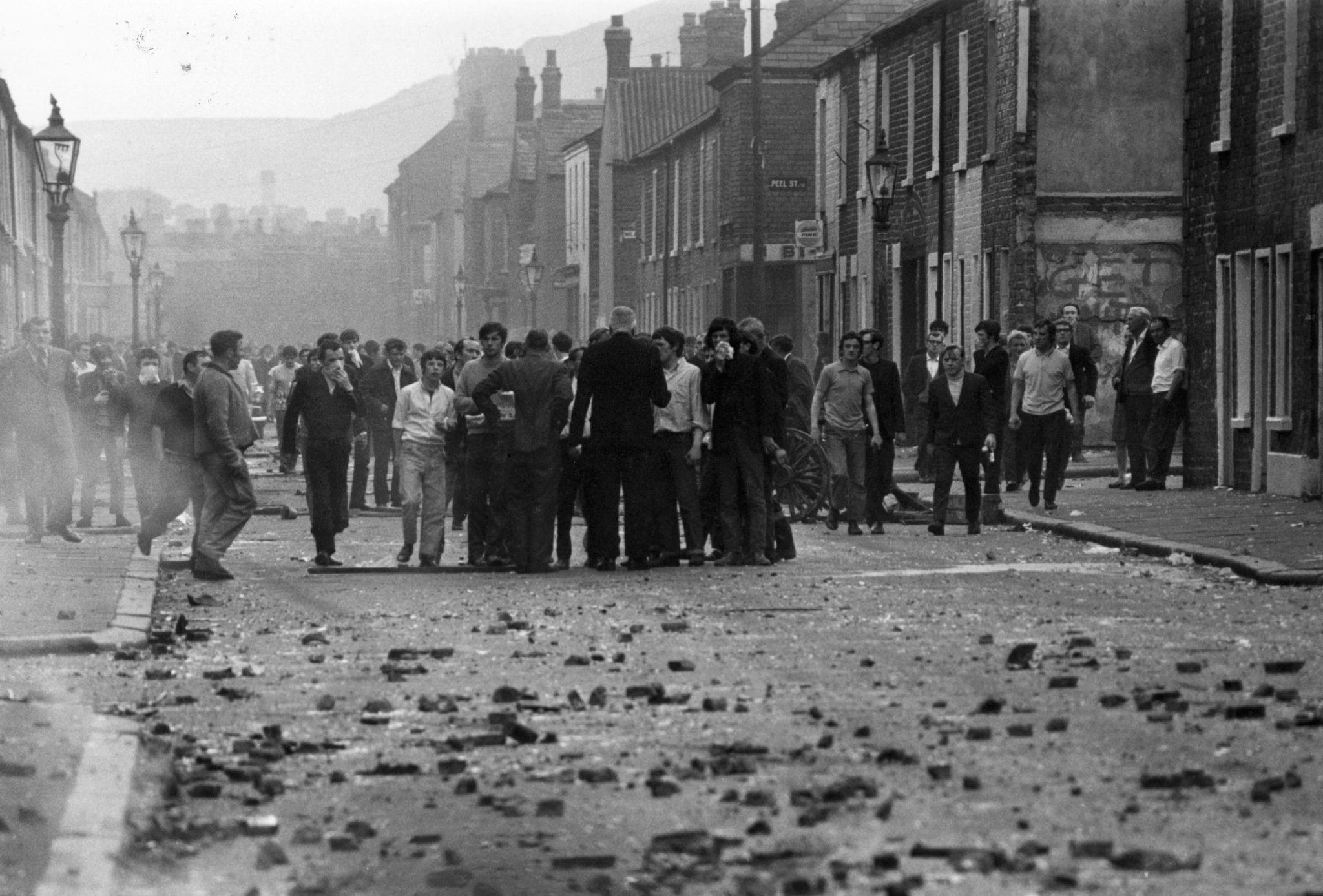
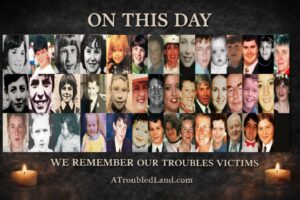
For many attending, the events are not about politics, historical debate or competing narratives. Instead they are about something much more personal – remembering loved ones who never returned home.
At Stormont, relatives of those killed during the conflict in Northern Ireland/The North will speak about the continuing impact of the violence that scarred communities for decades. Families affected by attacks carried out by loyalist and republican paramilitary organisations will share their stories alongside victims of more recent extremist violence.
The goal of the event, organisers say, is to focus attention on the human cost of terrorism – a cost that often becomes lost in political arguments over history and responsibility.
One organiser involved in the Stormont gathering said the day is about ensuring victims are not forgotten as time passes.
“For many families, the loss never fades,” they said. “Years pass, governments change, debates continue, but the empty chair at the table remains.”
Across the Irish Sea, a separate event will be held in Westminster, where victims and survivors will address MPs and members of the House of Lords. The Westminster gathering will include testimony from those affected by Islamist attacks in Britain, alongside people whose families were killed in violence linked to the conflict in Northern Ireland/The North.
Bringing these different experiences together is a deliberate choice. Organisers believe that hearing from victims of different forms of terrorism helps highlight a common reality: while the motivations of violent groups may differ, the consequences for victims are devastatingly similar.
Many families attending the events say they hope the day will also serve as a reminder that victims must remain central to any discussions about the legacy of past violence.
In Northern Ireland/The North, debates over legacy legislation, investigations, and historical inquiries continue to dominate political discussion. For victims’ families, however, those debates often feel distant from the personal grief they carry.
Some relatives have spent decades seeking answers about the circumstances surrounding the deaths of loved ones. Others simply want public recognition that their family members’ lives mattered.
Events such as the European Day of Remembrance attempt to create a space where those voices can be heard.
For survivors, the day is also about resilience. Many who attend describe it as a moment not only of remembrance but also of solidarity with others who have experienced similar loss.
Despite the different contexts in which the attacks occurred, those affected often find shared understanding in their experiences of grief, trauma and the long search for justice or acknowledgement.
As Europe continues to face the threat of extremist violence in different forms, the message behind the day remains clear: remembrance is not only about the past.
It is also about recognising the lasting impact terrorism leaves behind – not on governments or institutions, but on families whose lives changed forever in a single moment.
Source: https://www.newsletter.co.uk/news/politics/european-day-of-remembrance-for-victims-of-terrorism-victims-of-uvf-ira-and-islamist-terror-to-speak-at-stormont-and-westminster-5624080
Have a story you want to write yourself? Join Commentators Corner and write the news you want known - troubles/legacy or whatever is important to you.
Join Commentators CornerMore Stories - Click To View
The Largest Archive Of Troubles Media Ever Built
Explore thousands of documentaries, rare footage and banned material from the Troubles - preserved, organised and accessible in one place. Over 70,000 already follow ATL. Now go deeper.
Open The ATL Archive