







Childhood Friend Of Bobby Sands Slams New Statue As “Propaganda Exercise”
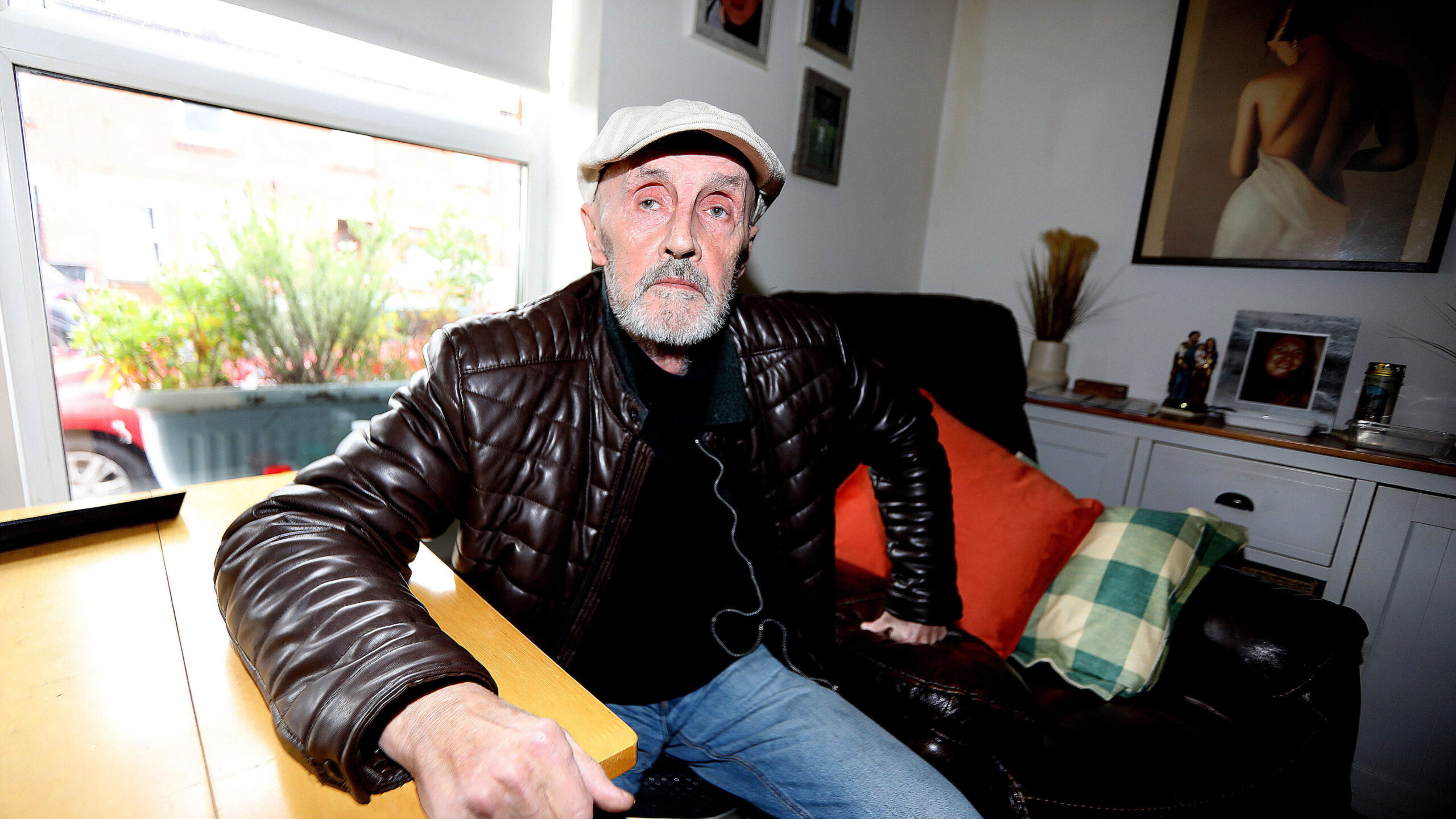
A new statue of IRA hunger striker Bobby Sands has sparked a fresh and deeply sensitive row in Belfast, after a man who grew up alongside him publicly condemned it as political propaganda.
The criticism comes amid ongoing controversy surrounding the statue, which was reportedly erected without planning permission, raising both legal and community tensions in the area. What was intended by some as a tribute has quickly become a flashpoint, reopening old wounds and dividing opinion once again.
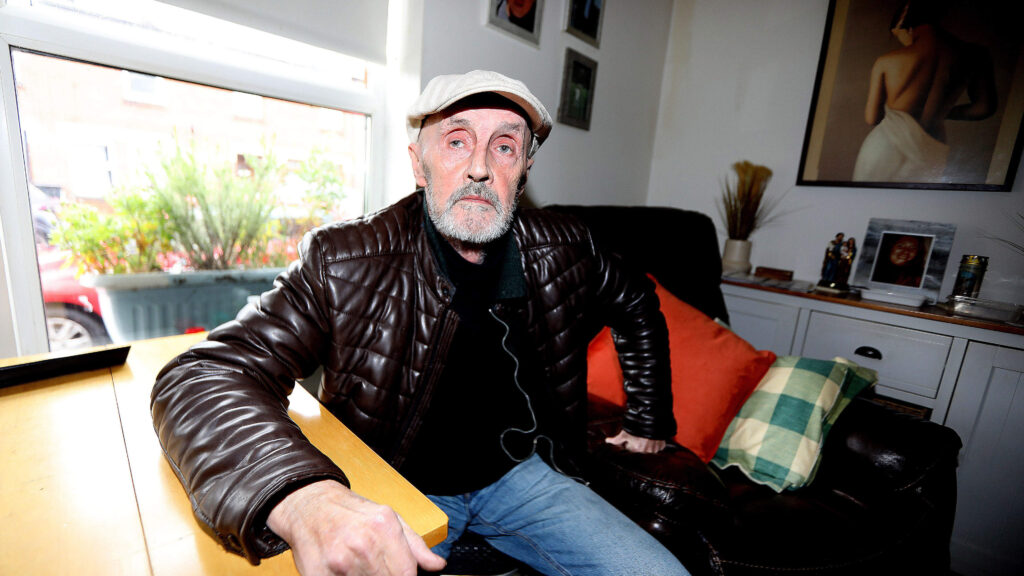
The man, described as a childhood friend of Sands, said he held “the utmost respect” for the Sands family but could not support the installation. He labelled the statue a “propaganda exercise”, arguing it does not reflect the full reality of the conflict and risks deepening division rather than promoting understanding.
The statue itself has already drawn attention from Belfast City Council, which had previously confirmed it was investigating the installation due to the lack of planning approval. Despite that, reports indicate no further enforcement action is currently being taken, leaving the structure in place and the debate unresolved.
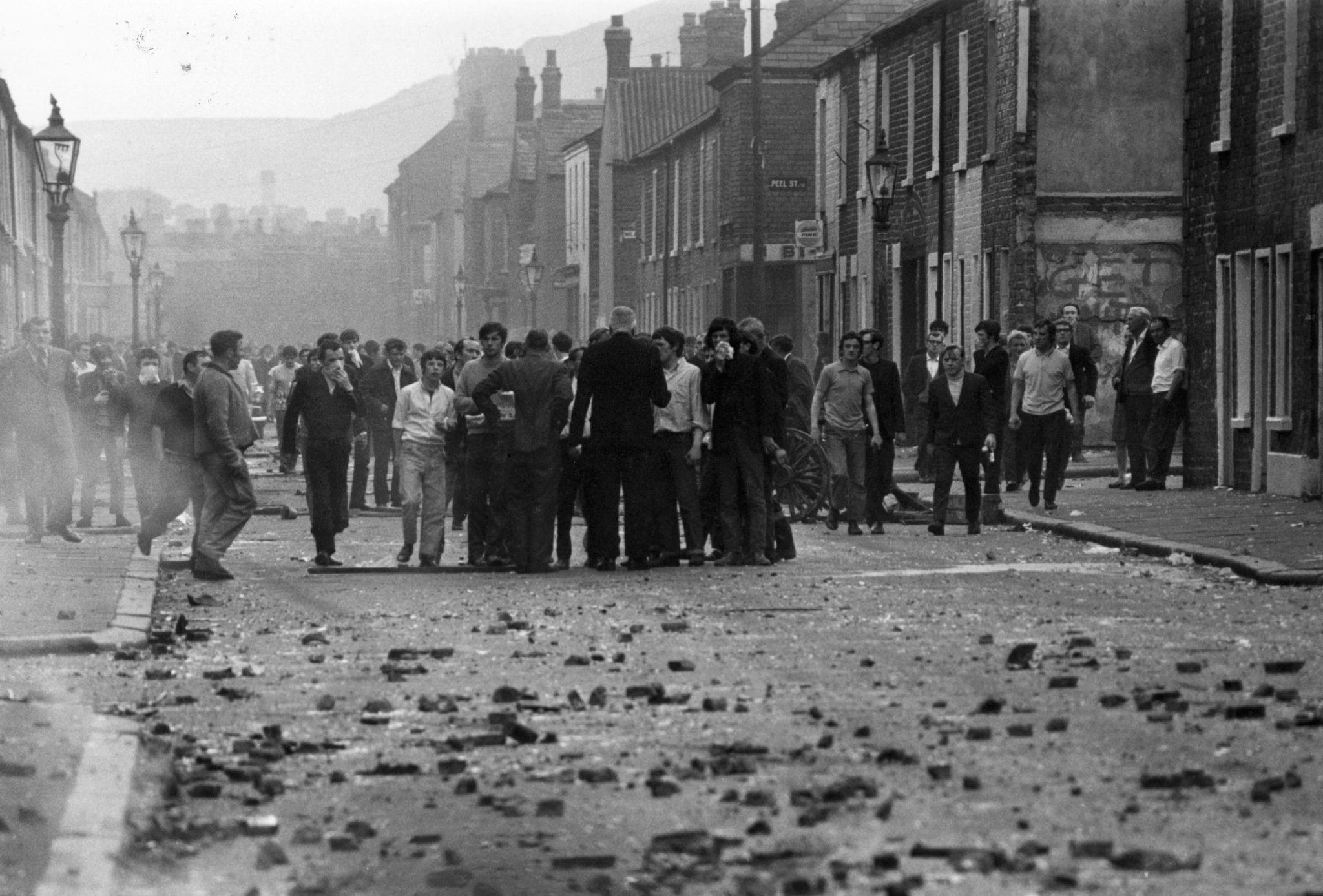
At the centre of the issue is the legacy of Bobby Sands, a key figure in the 1981 hunger strike and a symbol whose memory remains powerful but contested across Northern Ireland/The North. For some, he represents resistance and sacrifice. For others, he remains linked to a violent period that devastated communities on all sides.
That divide is now playing out once again on the streets of Belfast, where the statue has become more than just a memorial. It has become a statement – one that not everyone agrees should be made in public space.
The reaction highlights a wider reality that still defines Northern Ireland/The North today. Even decades after the conflict, symbols, memorials and narratives remain highly charged. What one community sees as remembrance, another may see as provocation.
For those who lived through the violence, the issue is not abstract. It is personal. Families, friendships and entire neighbourhoods were shaped by the events of that time. The concern now being raised is that actions like this risk hardening those divisions rather than helping move beyond them.
As the statue remains in place, the argument surrounding it shows no sign of fading. Instead, it has reignited a familiar tension – how the past is remembered, who controls that memory, and what it means for the present.

Have a story you want to write yourself? Join Commentators Corner and write the news you want known - troubles/legacy or whatever is important to you.
Join Commentators CornerMore Stories - Click To View


The Largest Archive Of Troubles Media Ever Built
Explore thousands of documentaries, rare footage and banned material from the Troubles - preserved, organised and accessible in one place. Over 70,000 already follow ATL. Now go deeper.
Open The ATL Archive