







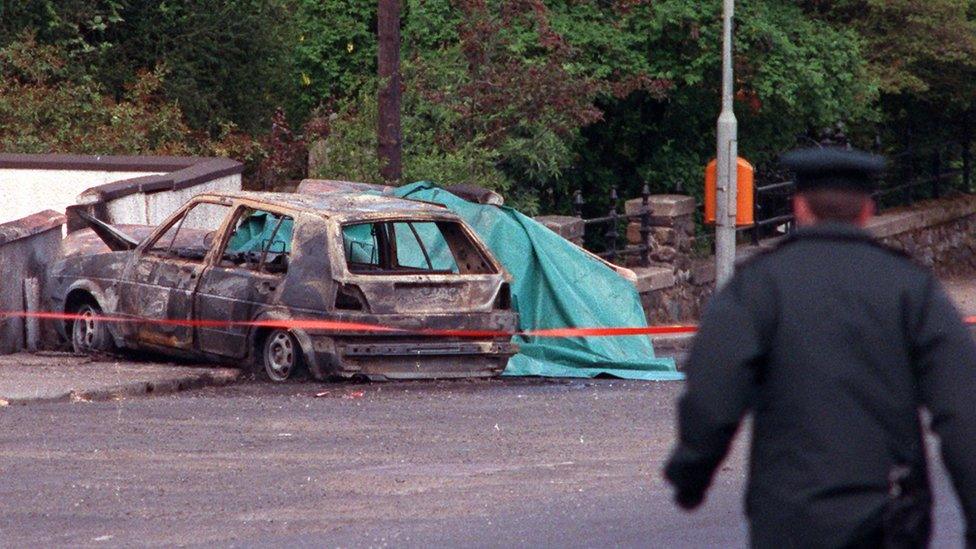
Court Rejects Challenge Over SAS Killing Of IRA Man Tony Doris In Coagh Ambush
A legal challenge into the killing of an IRA member by the SAS in Co Tyrone has been rejected by the Court of Appeal, bringing a long-running case back into focus more than three decades after the ambush.
Tony Doris was one of three IRA men shot dead by British soldiers in Coagh on June 3, 1991, during a planned military operation targeting an active service unit preparing to carry out a gun attack.
The court heard that Doris, along with Lawrence McNally and Michael Ryan, had travelled to the area with the intention of killing a former Ulster Defence Regiment soldier, Allister Harkness.
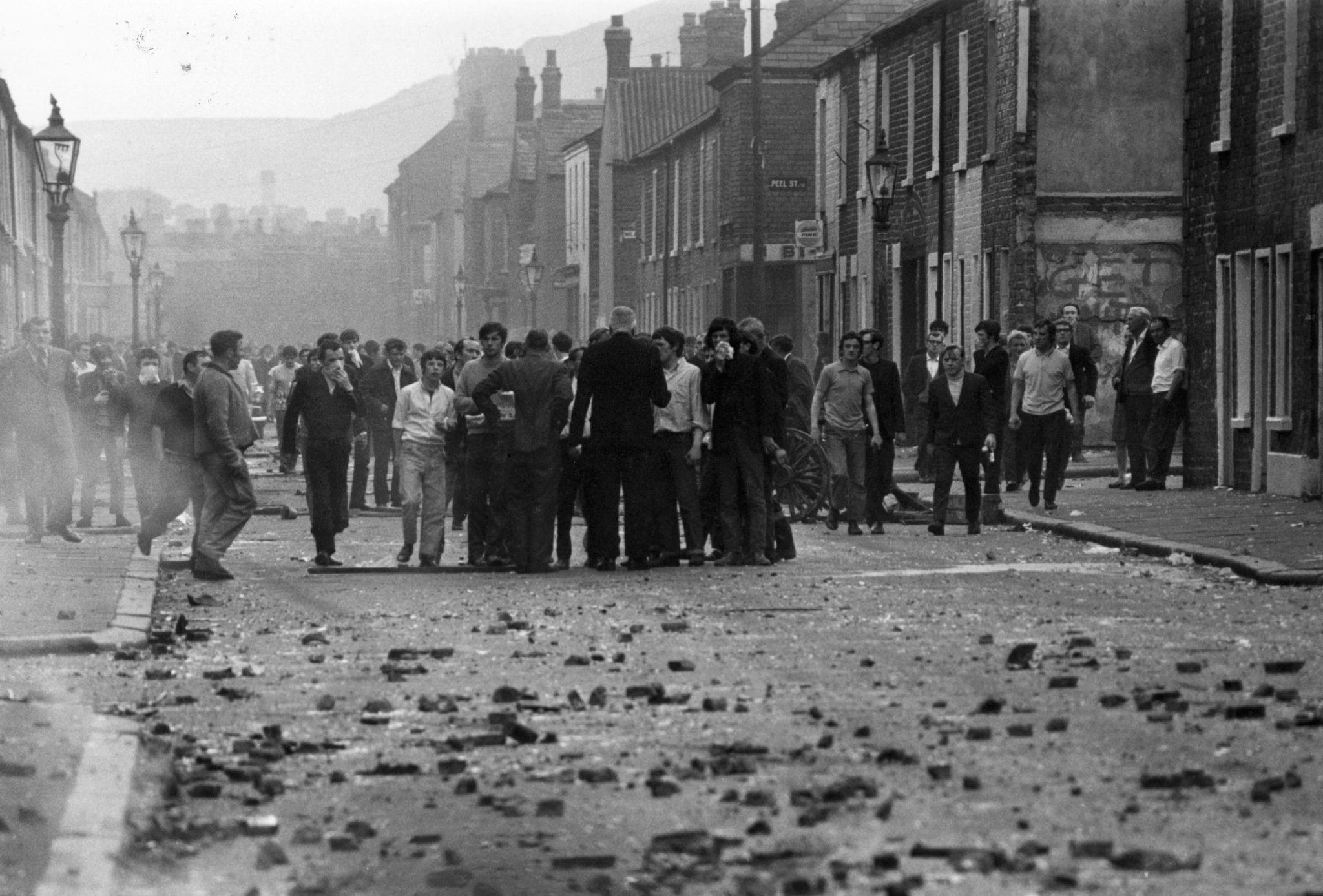
What followed was a carefully planned ambush.
British Army soldiers, including members of the SAS, had been deployed in advance after intelligence indicated the planned attack. In an effort to intercept the unit, one soldier disguised himself as the intended target, even driving the same vehicle along a routine route to draw the IRA men in.
When the IRA unit arrived in a stolen car, armed and prepared for the attack, they were met by soldiers positioned in concealment nearby. One of the men was seen with an AK-47 before retreating back into the vehicle after suspecting something was wrong.
Seconds later, the soldiers opened fire.
All three IRA members were killed in the hail of gunfire, with the military stating there had been no time to issue a warning before engaging.
The killings have remained controversial.
An inquest previously found that the use of lethal force by the soldiers was “reasonable and proportionate”, concluding they had an honest belief it was necessary to prevent loss of life.
That finding was challenged by Doris’s sister, who sought to overturn elements of the coroner’s conclusions, particularly around the actions of one of the soldiers involved.
However, the Court of Appeal has now ruled there was no legal error in the original findings, stating the decision was “well-reasoned” and compliant with human rights law.
Judges concluded the challenge amounted to a disagreement with the outcome rather than a valid legal basis to reopen the case.
The ruling effectively brings the legal challenge to an end, reinforcing the original conclusion that the ambush and use of lethal force were justified under the circumstances presented at the time.
The case once again highlights the complexity of legacy issues in Northern Ireland/The North, where events from decades ago continue to move through the courts, often revisiting some of the most controversial moments of the conflict.
Watch News Coverage of this Story Below

Have a story you want to write yourself? Join Commentators Corner and write the news you want known - troubles/legacy or whatever is important to you.
Join Commentators CornerMore Stories - Click To View
 'World Class' tourism project planned for NI council area after failed Gondola project
 Attorney General Warns Public Over Social Media Posts Ahead Of Donaldson Trial
 TikTok Bans Loyalist ‘Popebusters’ Shop In Crackdown On Hate Content
 Bobby Sands Statue Faces Fresh Probe After Council Row As Greens Slam ‘Distraction Politics’
The Largest Archive Of Troubles Media Ever Built
Explore thousands of documentaries, rare footage and banned material from the Troubles - preserved, organised and accessible in one place. Over 70,000 already follow ATL. Now go deeper.
Open The ATL Archive