














Stormont Funding Row Deepens As Treasury Points To Cuts – But Questions Raised Over Post-Conflict Investment
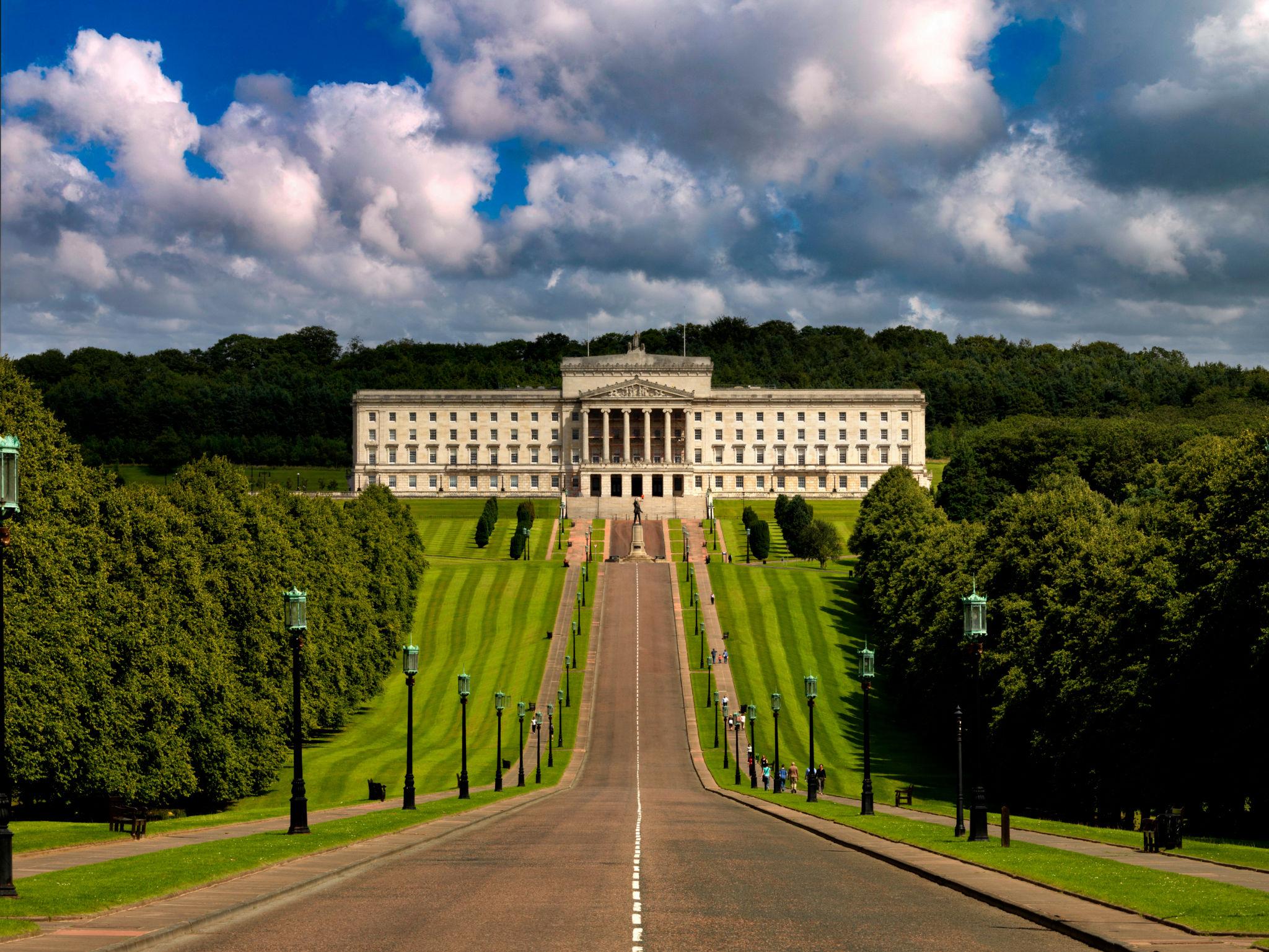
Stormont ministers are facing renewed pressure over finances after a Treasury review claimed up to £3.3 billion could be unlocked through spending cuts and revenue-raising measures.
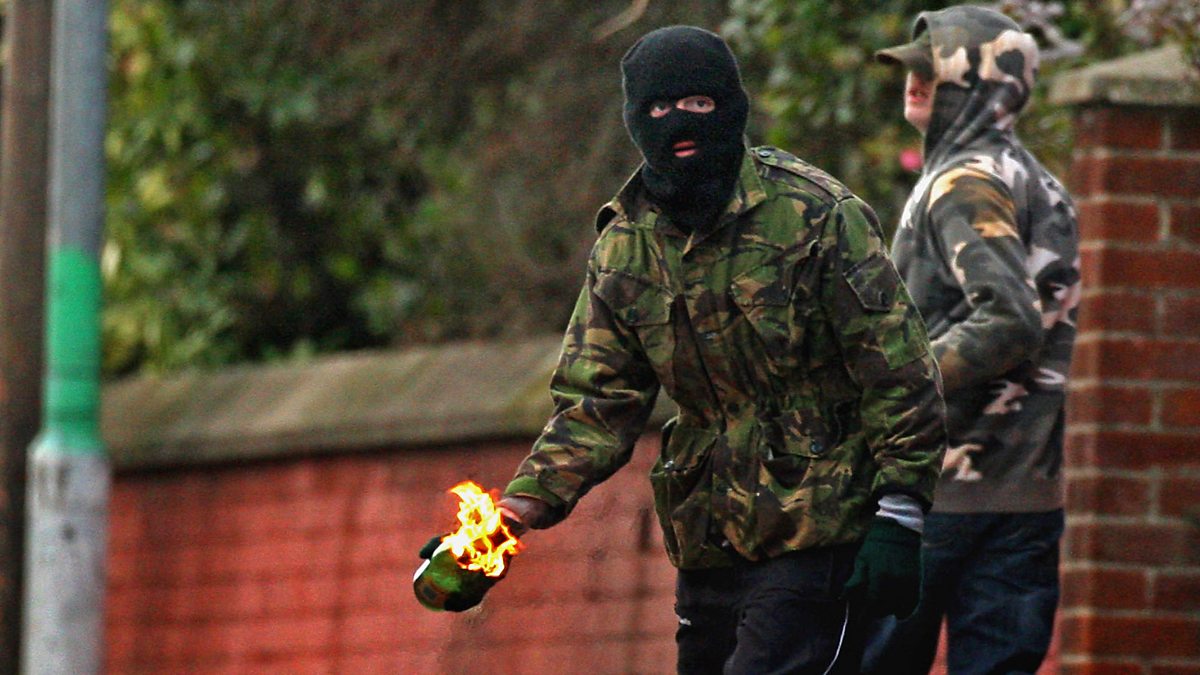
But the findings have already sparked pushback, with critics arguing the report fails to properly account for the region’s unique position as a society still dealing with the long-term effects of conflict in Northern Ireland/The North.
The Treasury’s “Open Book Review” points to a persistent gap between spending and available funding, suggesting that reforms to public sector pay, services and charges could significantly reduce pressure on the Executive’s budget.
However, that framing has been challenged by political leaders.
First Minister Michelle O’Neill said the report had the “wrong starting point”, while deputy First Minister Emma Little-Pengelly described elements of it as a “missed opportunity” and criticised some conclusions as “absolutely preposterous”.
At the centre of the debate is a wider question – whether Northern Ireland/The North should be treated in the same way as other parts of the UK when it comes to public spending.
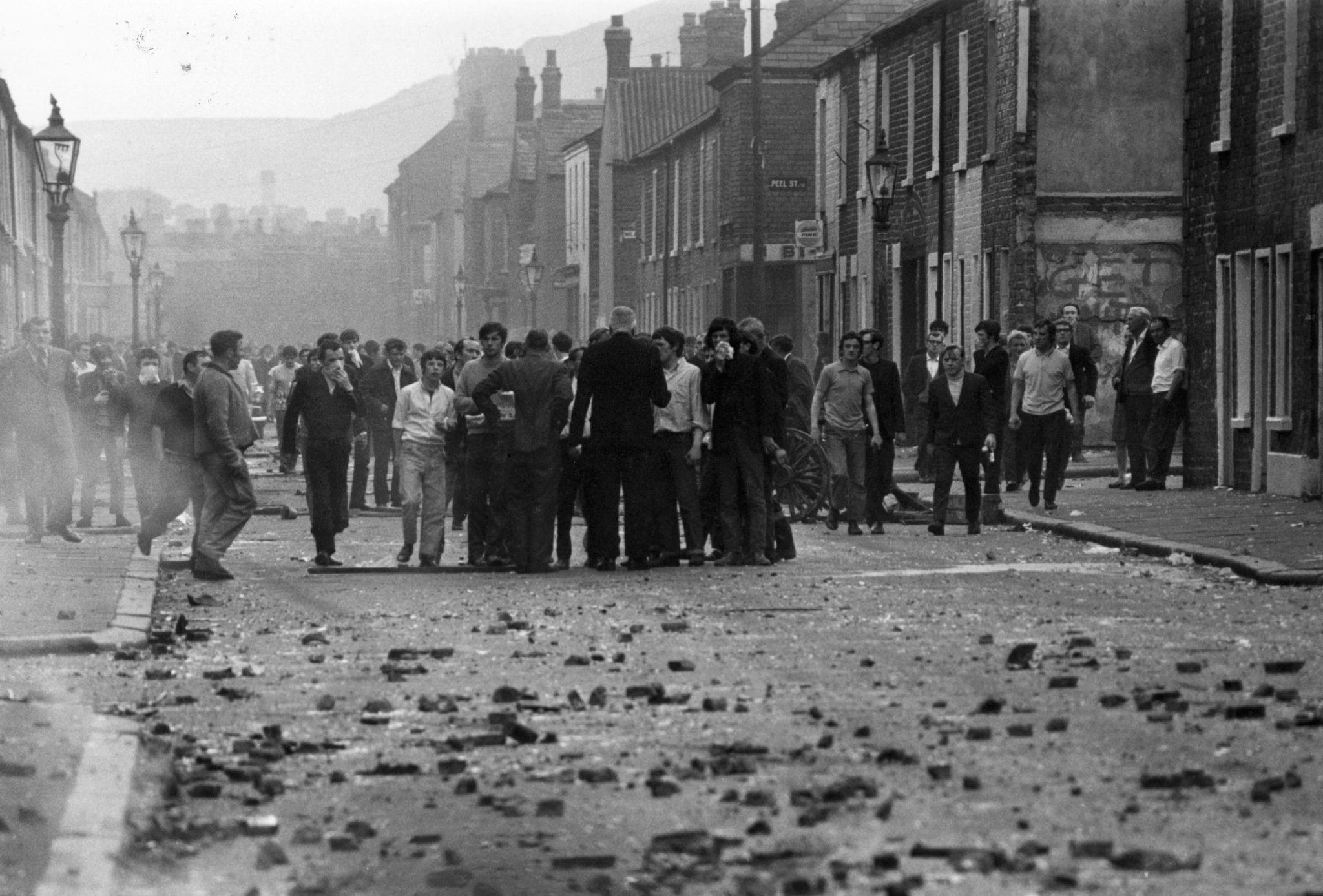
While the Treasury highlights higher per-head spending in areas such as health, policing and education, critics argue that those figures cannot be separated from the legacy of decades of conflict.
Northern Ireland/The North continues to face higher levels of deprivation, long waiting lists in the health service, and significant pressures around mental health – issues widely linked to the long-term impact of the Troubles.
There is also the question of what level of investment is required in a post-conflict society.
Previous interventions, including funding during the peace process and support from European programmes, were aimed at stabilising the region and supporting recovery.
However, after years of austerity measures across the UK, there are growing concerns that Northern Ireland/The North’s needs are not being fully reflected in current funding models.
The Treasury report suggests measures such as water charges, prescription fees and changes to public sector pay, but these proposals are likely to prove politically sensitive.
Critics argue that focusing primarily on cuts and revenue-raising risks overlooking the broader issue – whether enough has been invested to support long-term stability.
There is also a political dimension.
Some argue that continued financial pressure and instability risks deepening dissatisfaction and could influence future debates around Northern Ireland/The North’s constitutional position.
The UK Government has called on the Executive to produce a clear plan to balance its budget, but ministers in Belfast are now under pressure to respond not just to the numbers – but to the wider argument about fairness and investment.
The debate is no longer simply about balancing the books.
It is about how a post-conflict society is funded, and whether current approaches reflect the realities on the ground.

Have a story you want to write yourself? Join Commentators Corner and write the news you want known - troubles/legacy or whatever is important to you.
Join Commentators CornerMore Stories - Click To View




The Largest Archive Of Troubles Media Ever Built
Explore thousands of documentaries, rare footage and banned material from the Troubles - preserved, organised and accessible in one place. Over 70,000 already follow ATL. Now go deeper.
Open The ATL Archive